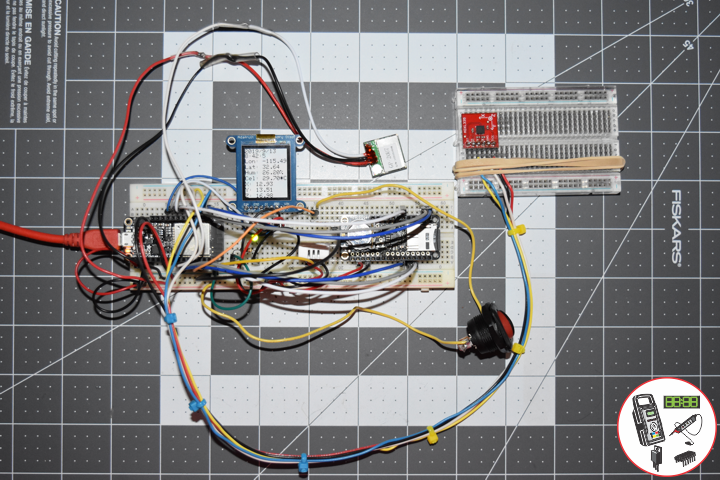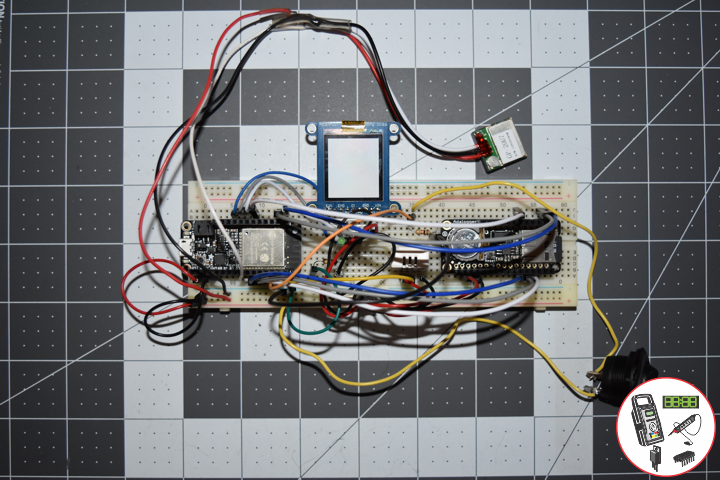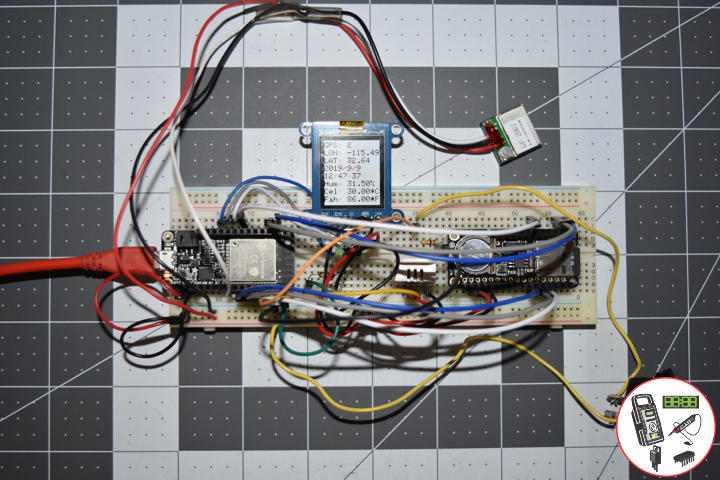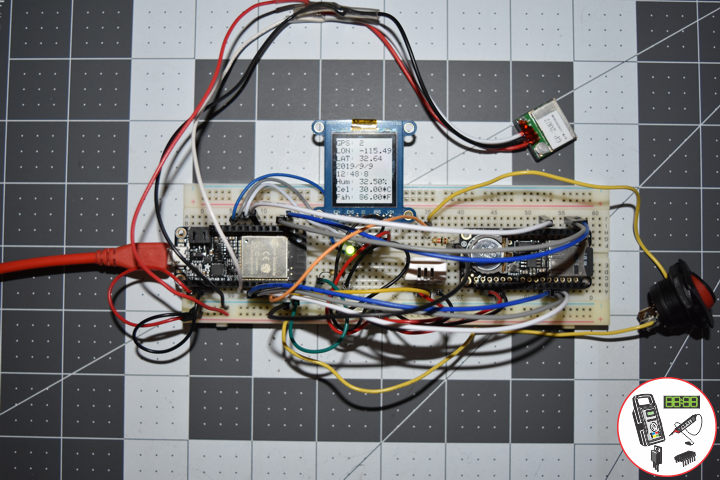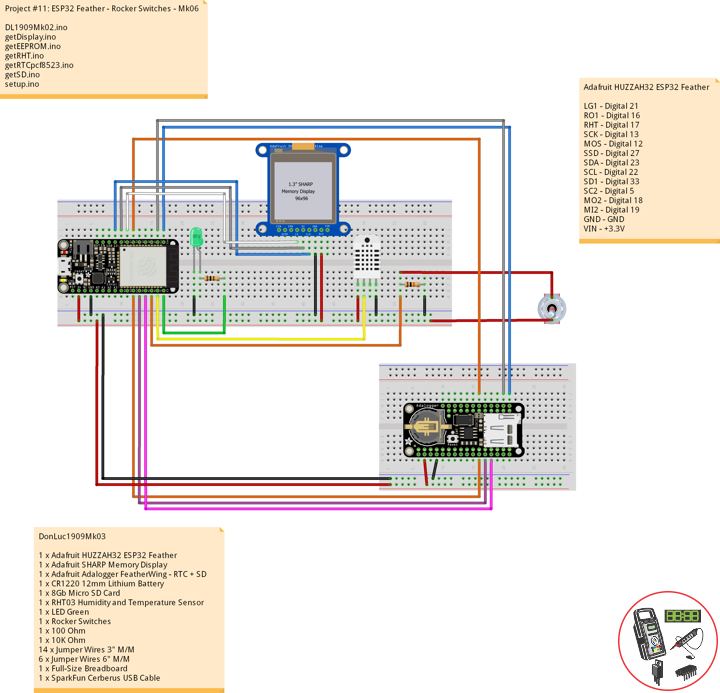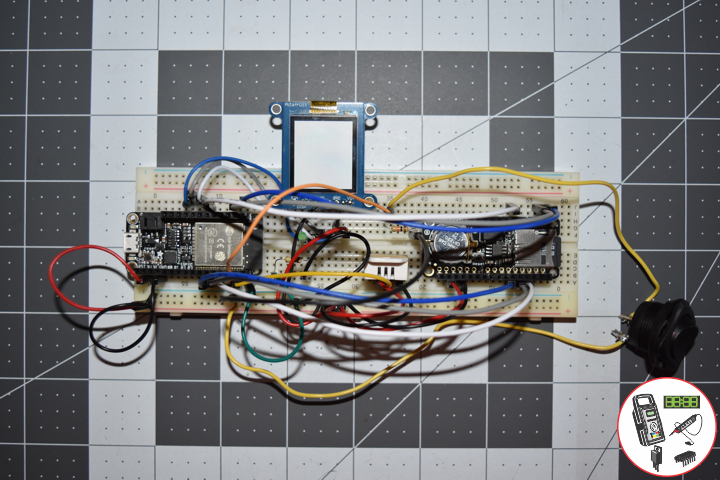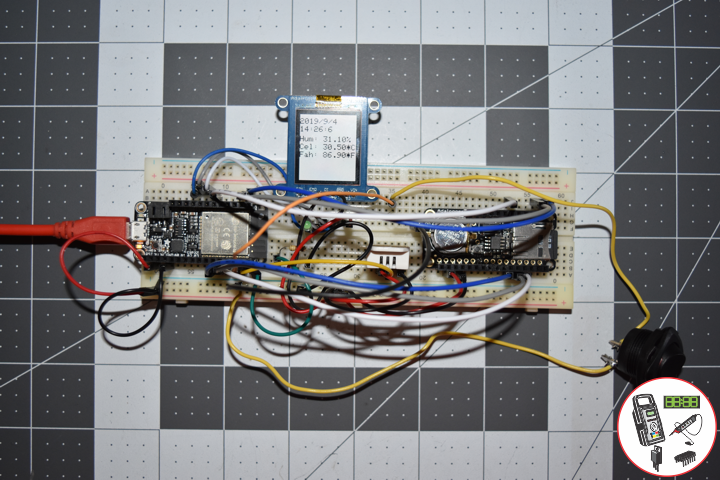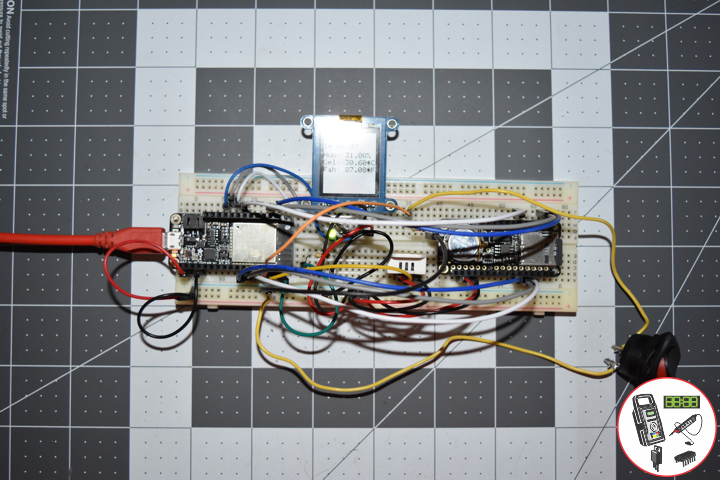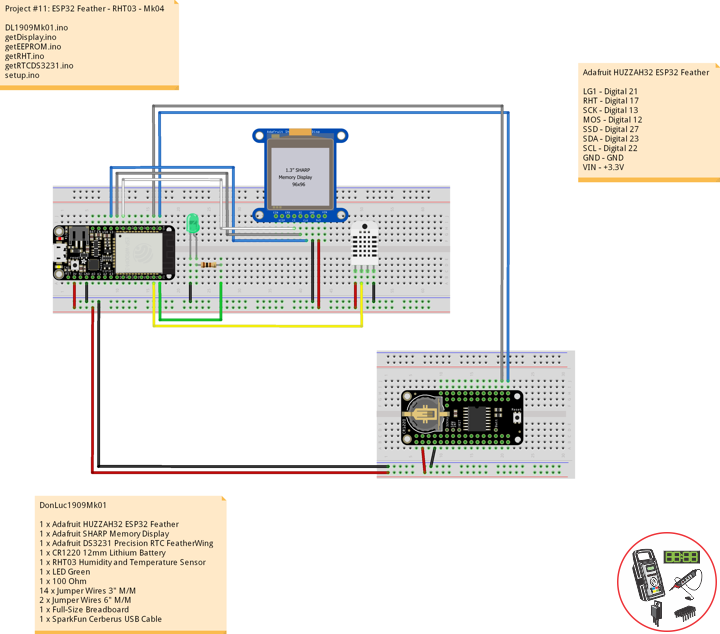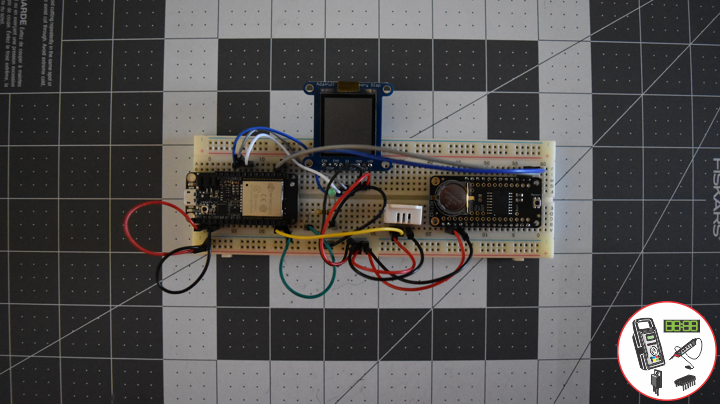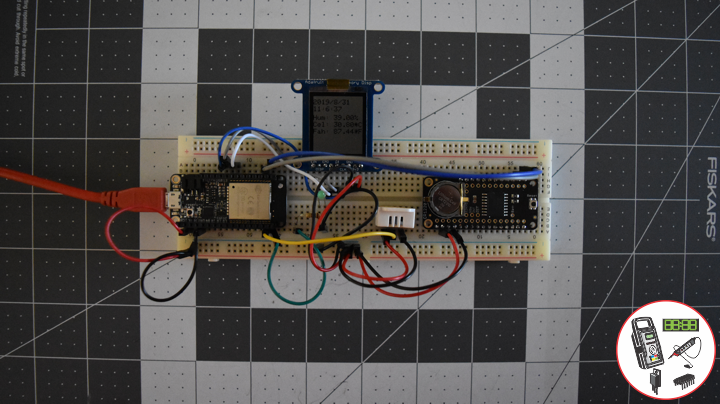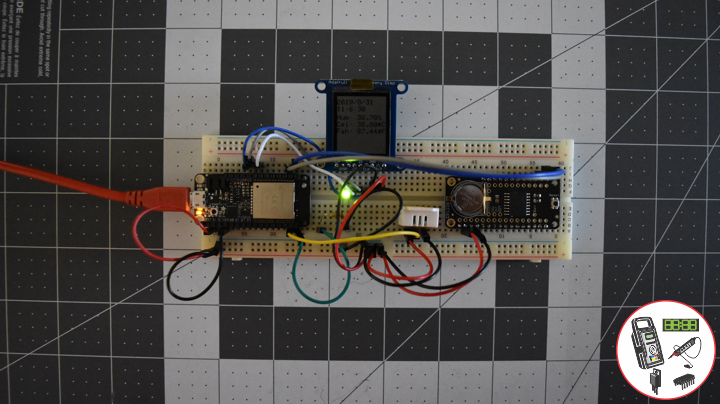
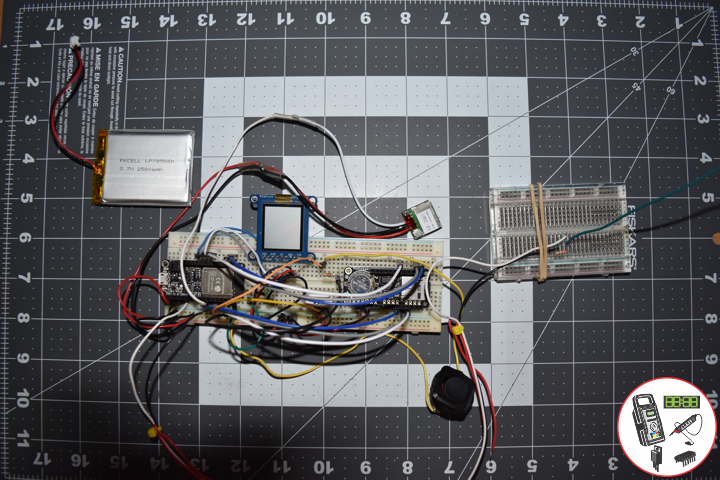
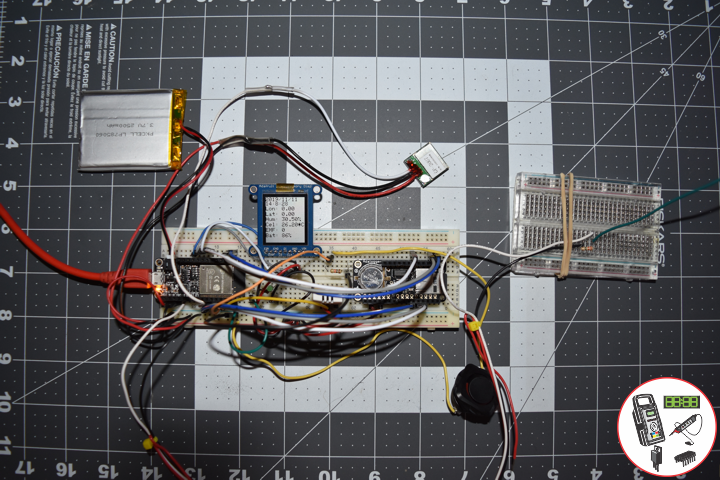
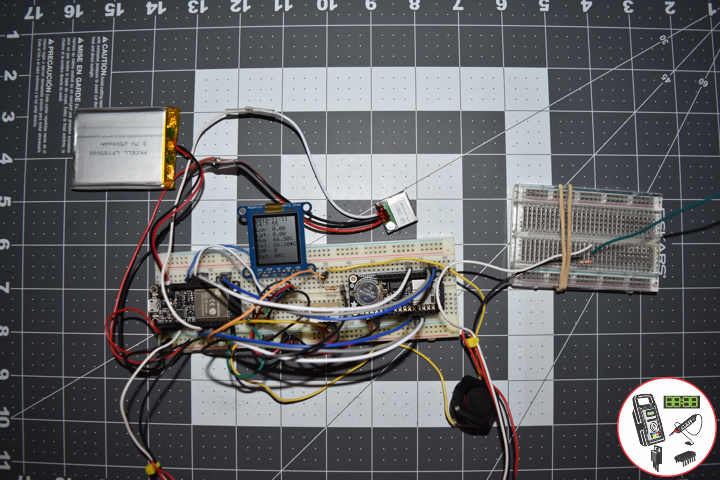
Project #11: ESP32 Feather – GPS Receiver – Mk07

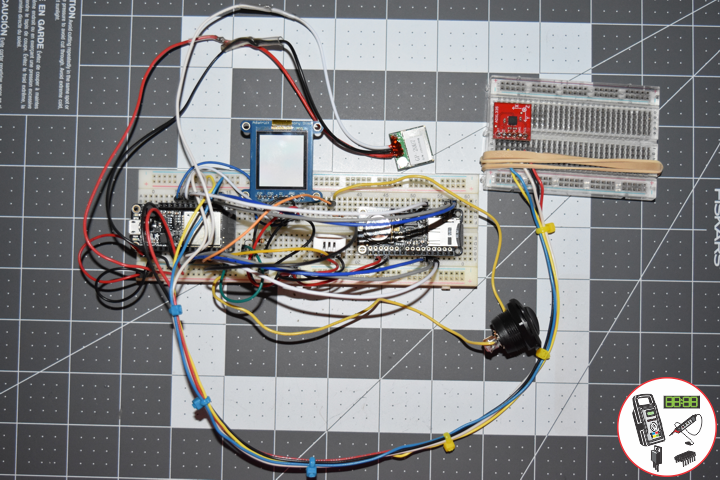
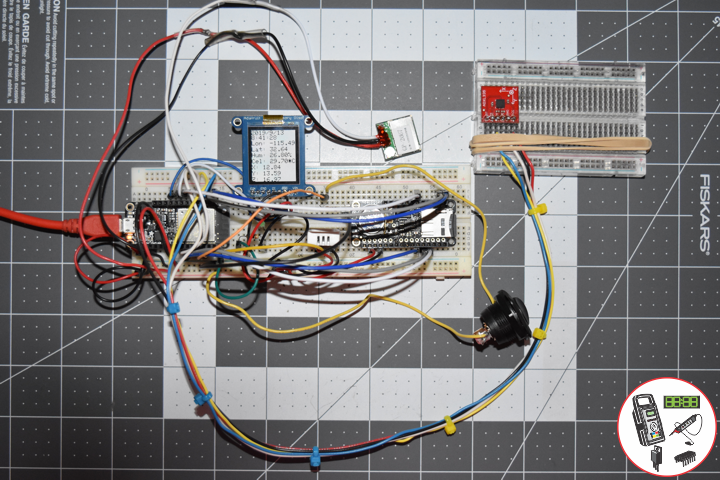
ESP32 Feather – GPS Receiver

——

——

Project #11: ESP32 Feather - GPS Receiver - Mk07

——

Project #11: ESP32 Feather - GPS Receiver - Mk07

——

Project #11: ESP32 Feather - GPS Receiver - Mk07

——

Project #11: ESP32 Feather - GPS Receiver - Mk07

——

Global Positioning System

The Global Positioning System (GPS), originally Navstar GPS, is a satellite-based radionavigation system owned by the United States government and operated by the United States Air Force. It is a global navigation satellite system that provides geolocation and time information to a GPS receiver anywhere on or near the Earth where there is an unobstructed line of sight to four or more GPS satellites. Obstacles such as mountains and buildings block the relatively weak GPS signals.

The GPS does not require the user to transmit any data, and it operates independently of any telephonic or internet reception, though these technologies can enhance the usefulness of the GPS positioning information. The GPS provides critical positioning capabilities to military, civil, and commercial users around the world. The United States government created the system, maintains it, and makes it freely accessible to anyone with a GPS receiver.

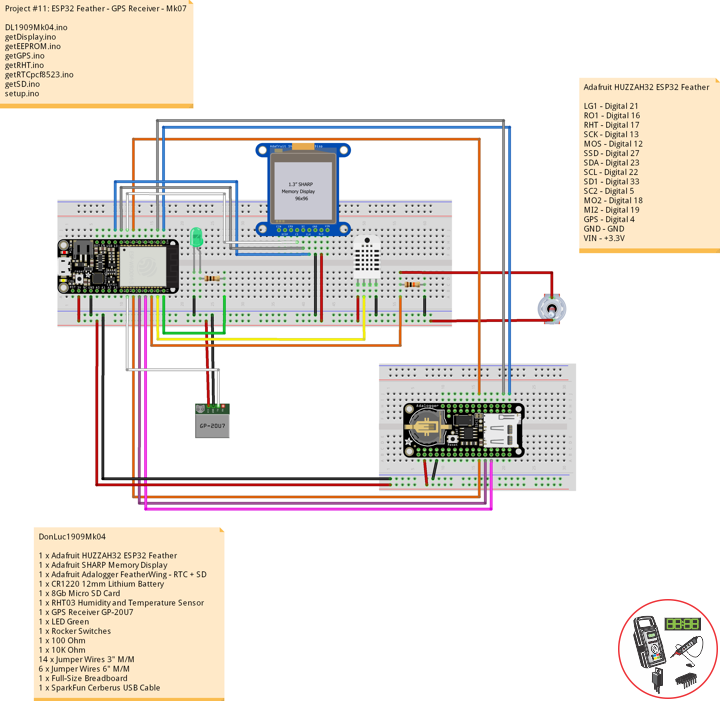
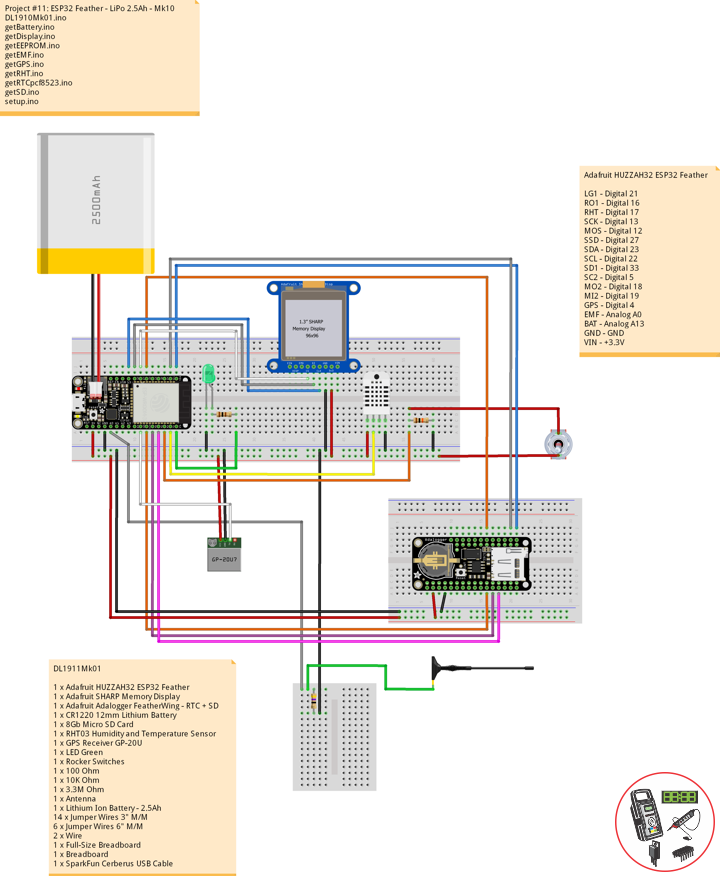
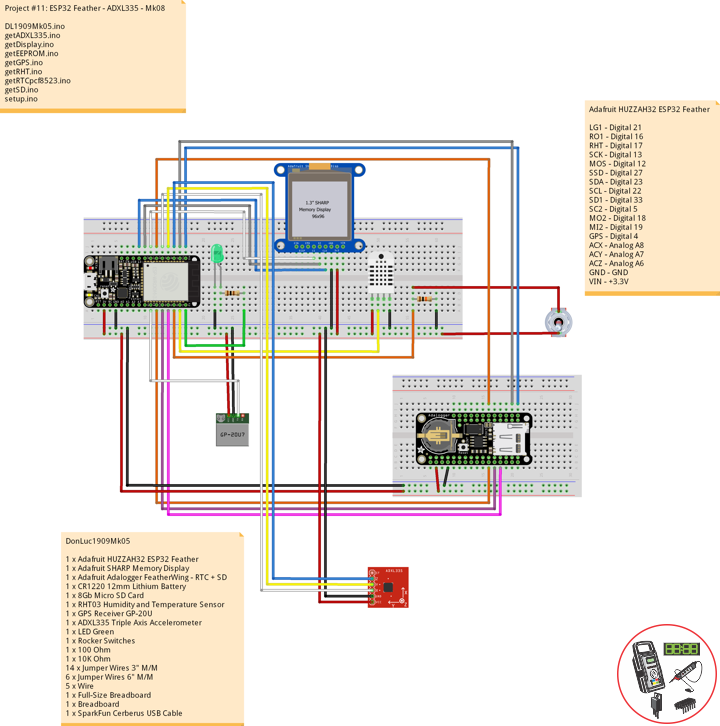
DonLuc1909Mk04

1 x Adafruit HUZZAH32 ESP32 Feather
1 x Adafruit SHARP Memory Display
1 x Adafruit Adalogger FeatherWing – RTC + SD
1 x CR1220 12mm Lithium Battery
1 x 8Gb Micro SD Card
1 x RHT03 Humidity and Temperature Sensor
1 x GPS Receiver GP-20U7
1 x LED Green
1 x Rocker Switches
1 x 100 Ohm
1 x 10K Ohm
14 x Jumper Wires 3″ M/M
6 x Jumper Wires 6″ M/M
1 x Full-Size Breadboard
1 x SparkFun Cerberus USB Cable

Adafruit HUZZAH32 ESP32 Feather

LG1 – Digital 21
RO1 – Digital 16
RHT – Digital 17
SCK – Digital 13
MOS – Digital 12
SSD – Digital 27
SDA – Digital 23
SCL – Digital 22
SD1 – Digital 33
SC2 – Digital 5
MO2 – Digital 18
MI2 – Digital 19
GPS – Digital 4
GND – GND
VIN – +3.3V

DL1909Mk04.ino

// ***** Don Luc Electronics *****
// Software Version Information
// Project #11: HUZZAH32 ESP32 Feather - GPS Receiver - Mk07
// 09-04
// DL1909Mk04p.ino 11-07
// Adafruit HUZZAH32 ESP32 Feather Board
// SHARP Display
// LED Green
// Adalogger FeatherWing - RTC + SD
// EEPROM
// RHT03 Humidity and Temperature Sensor
// Rocker Switches
// GPS Receiver

// include Library Code
// SHARP Memory Display
#include <Adafruit_SharpMem.h>
#include <Adafruit_GFX.h>
// Date and Time
#include "RTClib.h"
// EEPROM library to read EEPROM with unique ID for unit
#include "EEPROM.h"
// RHT Humidity and Temperature Sensor
#include <SparkFun_RHT03.h>
// SD Card
#include "FS.h"
#include "SD.h"
#include "SPI.h"
// GPS Receiver
#include <TinyGPS++.h>
#include <HardwareSerial.h>

// SHARP Memory Display
// any pins can be used
#define SHARP_SCK  13
#define SHARP_MOSI 12
#define SHARP_SS   27
// Set the size of the display here, e.g. 144x168!
Adafruit_SharpMem display(SHARP_SCK, SHARP_MOSI, SHARP_SS, 144, 168);
// The currently-available SHARP Memory Display (144x168 pixels)
// requires > 4K of microcontroller RAM; it WILL NOT WORK on Arduino Uno
// or other <4K "classic" devices!
#define BLACK 0
#define WHITE 1
int minorHalfSize; // 1/2 of lesser of display width or height

// LED Green
int iLEDGreen =  21;                 // LED Green

// PCF8523 Precision RTC 
RTC_PCF8523 rtc;
String dateRTC = "";
String timeRTC = "";

// The current address in the EEPROM (i.e. which byte
// we're going to  read to next)
#define EEPROM_SIZE 64
String sver = "9-4.p";
// Unit ID information
String uid = "";

// RHT Humidity and Temperature Sensor
const int RHT03_DATA_PIN = 17;          // RHT03 data pin Digital 17
RHT03 rht;                              // This creates a RTH03 object, which we'll use to interact with the sensor
float latestHumidity;
float latestTempC;
float latestTempF;

// SD Card
const int chipSelect = 33;              // SD Card
String zzzzzz = "";

// Rocker Switches
int iRow1 = 16;                         // Rocker Switches Digital 16
int iRow1State = 0;                     // Variable for reading the pushbutton status

// ESP32 HardwareSerial
HardwareSerial tGPS(2);

// GPS Receiver
#define gpsRXPIN 4
#define gpsTXPIN 36                     // This one is unused and doesnt have a conection
// The TinyGPS++ object
TinyGPSPlus gps;
float TargetLat;
float TargetLon;
int Status = 0;

void loop() {

  // Receives NEMA data from GPS receiver
  // This sketch displays information every time a new sentence is correctly encoded.
  while ( tGPS.available() > 0)
    if (gps.encode( tGPS.read() ))
    {
     displayInfo();
    }
  
  if (millis() > 5000 && gps.charsProcessed() < 10)
  {
    while(true);
  }

  // Date and Time 
  isRTC();
  
  // RHT03 Humidity and Temperature Sensor
  isRHT03();
  
  // SHARP Memory Display On
  isDisplayOn();
  
  // Rocker Switched
  // Read the state of the iRow1 value
  iRow1State = digitalRead(iRow1);

  // Check if the pushbutton is pressed. If it is, the buttonState is HIGH:
  if (iRow1State == HIGH) {

    // iLEDGreen
    digitalWrite(iLEDGreen,  HIGH );
    // SD Card
    isSD();

  } else {

    // iLEDGreen
    digitalWrite(iLEDGreen,  LOW );
  
  }
   
  // Delay 
  delay( 1000 );

}

getDisplay.ino

// SHARP Memory Display On
void isDisplayOn() {

    // Clear Display
    display.clearDisplay();
    // text display date, time, LED on
    display.setRotation(4);
    display.setTextSize(2);
    display.setTextColor(BLACK);
    display.setCursor(0,5);
    display.print("GPS: ");
    display.println( Status );
    display.setCursor(0,25);
    display.print("LON: ");
    display.println( TargetLon );
    display.setCursor(0,45);
    display.print("LAT: ");
    display.println( TargetLat );
    display.setCursor(0,65);
    display.println( dateRTC );
    display.setCursor(0,85);
    display.println( timeRTC );
    display.setCursor(0,105);
    display.print("Hum: ");
    display.print( latestHumidity );
    display.println("%");
    display.setCursor(0,125);
    display.print("Cel: ");
    display.print( latestTempC );
    display.println("*C");
    display.setCursor(0,145);
    display.print("Fah: ");
    display.print( latestTempF );
    display.println("*F");
    display.refresh();

}
// SHARP Memory Display - UID
void isDisplayUID() {

    // text display EEPROM
    display.setRotation(4);
    display.setTextSize(2);
    display.setTextColor(BLACK);
    display.setCursor(0,20);
    display.print( "UID: " );
    display.println( uid );
   // display.setTextSize();
    display.setTextColor(BLACK);
    display.setCursor(0,45);
    display.print( "VER: ");
    display.println( sver  );
    display.refresh();
    delay( 100 );
    
}

getEEPROM.ino

// EEPROM
void GetUID()
{
  
  // Get unit ID
  uid = "";
  for (int x = 0; x < 5; x++)
  {
    uid = uid + char(EEPROM.read(x));
  }
  
}

getGPS.ino

// GPS Receiver
void setupGPS() {

  // Setup GPS
  tGPS.begin(  9600 , SERIAL_8N1, gpsRXPIN, gpsTXPIN );
  
}
// GPS Vector Pointer Target
void displayInfo()
{

  // Location
  if (gps.location.isValid())
  {
    
    TargetLat = gps.location.lat();
    TargetLon = gps.location.lng();
    Status = 2;
    
  }
  else
  {

    Status = 0;
    
  }

}

getRHT.ino

// RHT03 Humidity and Temperature Sensor
void isRHT03(){

  // Call rht.update() to get new humidity and temperature values from the sensor.
  int updateRet = rht.update();

  // The humidity(), tempC(), and tempF() functions can be called -- after 
  // a successful update() -- to get the last humidity and temperature value 
  latestHumidity = rht.humidity();
  latestTempC = rht.tempC();
  latestTempF = rht.tempF();
  
}

getRTCpcf8523.ino

// PCF8523 Precision RTC 
void setupRTC() {

  // pcf8523 Precision RTC   
  if (! rtc.begin()) {
    while (1);
  }  
  if (! rtc.initialized()) {
    // Following line sets the RTC to the date & time this sketch was compiled
    rtc.adjust(DateTime(F(__DATE__), F(__TIME__)));
    // This line sets the RTC with an explicit date & time, for example to set
    // January 21, 2014 at 3am you would call:
    // rtc.adjust(DateTime(2018, 9, 29, 12, 17, 0));
  }
  
}
// Date and Time RTC
void isRTC () {

  // Date and Time
  DateTime now = rtc.now();
  // Date
  dateRTC = now.year(), DEC; 
  dateRTC = dateRTC + "/";
  dateRTC = dateRTC + now.month(), DEC;
  dateRTC = dateRTC + "/";
  dateRTC = dateRTC + now.day(), DEC;
  // Time
  timeRTC = now.hour(), DEC;
  timeRTC = timeRTC + ":";
  timeRTC = timeRTC + now.minute(), DEC;
  timeRTC = timeRTC + ":";
  timeRTC = timeRTC + now.second(), DEC;
  
}

getSD.ino

// SD Card
void setupSD() {

  // SD Card
    pinMode( chipSelect , OUTPUT );
    if(!SD.begin( chipSelect )){
        ;  
        return;
    }
    uint8_t cardType = SD.cardType();

    if(cardType == CARD_NONE){
        ; 
        return;
    }

    //Serial.print("SD Card Type: ");
    if(cardType == CARD_MMC){
        ; 
    } else if(cardType == CARD_SD){
        ; 
    } else if(cardType == CARD_SDHC){
        ; 
    } else {
        ; 
    } 

    uint64_t cardSize = SD.cardSize() / (1024 * 1024);
  
}
// SD Card
void isSD() {

  zzzzzz = "";

  zzzzzz = uid + "|" + sver + "|" + Status + "|" + TargetLon + "|" + TargetLat + "|" + dateRTC + "|" + timeRTC + "|" + latestHumidity + "|" + latestTempC + "|" + latestTempF + "|\r";

  char msg[zzzzzz.length() + 1];

  zzzzzz.toCharArray(msg, zzzzzz.length() + 1);

  appendFile(SD, "/espdata.txt", msg );
  
}
// List Dir
void listDir(fs::FS &fs, const char * dirname, uint8_t levels){
    dirname;
    File root = fs.open(dirname);
    if(!root){
        return;
    }
    if(!root.isDirectory()){
        return;
    }

    File file = root.openNextFile();
    while(file){
        if(file.isDirectory()){
            file.name();
            if(levels){
                listDir(fs, file.name(), levels -1);
            }
        } else {
            file.name();
            file.size();
        }
        file = root.openNextFile();
    }
}
// Write File
void writeFile(fs::FS &fs, const char * path, const char * message){
    path;
    File file = fs.open(path, FILE_WRITE);
    if(!file){
        return;
    }
    if(file.print(message)){
        ;  
    } else {
        ;  
    }
    file.close();
}
// Append File
void appendFile(fs::FS &fs, const char * path, const char * message){
    //Serial.printf("Appending to file: %s\n", path);
    path;
    File file = fs.open(path, FILE_APPEND);
    if(!file){
        return;
    }
    if(file.print(message)){
        ;  
    } else {
        ;  
    }
    file.close();
}

setup.ino

// Setup
void setup() {

  // EEPROM with unique ID
  EEPROM.begin(EEPROM_SIZE);
   
  // Get Unit ID
  GetUID();

  // GPS Receiver
  // Setup GPS
  setupGPS();
  
  // SHARP Display start & clear the display
  display.begin();
  display.clearDisplay();

  isDisplayUID();

  delay( 5000 );
  
  // Initialize the LED Green
  pinMode(iLEDGreen, OUTPUT);

  // PCF8523 Precision RTC 
  setupRTC();

  // Date and Time RTC
  isRTC();

  // RHT03 Humidity and Temperature Sensor
  // Call rht.begin() to initialize the sensor and our data pin
  rht.begin(RHT03_DATA_PIN);

  // SD Card
  setupSD();

  // Rocker Switches
  pinMode(iRow1, INPUT);

}

Follow Us

Web: https://www.donluc.com/
Web: http://neosteamlabs.com/
Web: http://www.jlpconsultants.com/
YouTube: https://www.youtube.com/channel/UC5eRjrGn1CqkkGfZy0jxEdA
Facebook: https://www.facebook.com/neosteam.labs.9/
Instagram: https://www.instagram.com/neosteamlabs/
Pinterest: https://www.pinterest.com/NeoSteamLabs/
Twitter: https://twitter.com/labs_steam
Etsy: https://www.etsy.com/shop/NeoSteamLabs

Don Luc
Project #11: ESP32 Feather – Rocker Switches – Mk06

ESP32 Feather – Rocker Switches

——

——

ESP32 Feather - Rocker Switches

——

ESP32 Feather - Rocker Switches

——

ESP32 Feather - Rocker Switches

——

ESP32 Feather - Rocker Switches

——

Rocker Switch – Round

These panel-mounting rocker switches simple SPST on-off. They mount into a 20.2mm diameter hole and are rated up to 16A @ 12v.

DonLuc1909Mk03

1 x Adafruit HUZZAH32 ESP32 Feather
1 x Adafruit SHARP Memory Display
1 x Adafruit Adalogger FeatherWing – RTC + SD
1 x CR1220 12mm Lithium Battery
1 x 8Gb Micro SD Card
1 x RHT03 Humidity and Temperature Sensor
1 x LED Green
1 x Rocker Switches
1 x 100 Ohm
1 x 10K Ohm
14 x Jumper Wires 3″ M/M
6 x Jumper Wires 6″ M/M
1 x Full-Size Breadboard
1 x SparkFun Cerberus USB Cable

Adafruit HUZZAH32 ESP32 Feather

LG1 – Digital 21
RO1 – Digital 16
RHT – Digital 17
SCK – Digital 13
MOS – Digital 12
SSD – Digital 27
SDA – Digital 23
SCL – Digital 22
SD1 – Digital 33
SC2 – Digital 5
MO2 – Digital 18
MI2 – Digital 19
GND – GND
VIN – +3.3V

DL1909Mk03.ino

// ***** Don Luc Electronics *****
// Software Version Information
// Project #11: HUZZAH32 ESP32 Feather - Rocker Switches - Mk06
// 09-03
// DL1909Mk03p.ino 11-06
// Adafruit HUZZAH32 ESP32 Feather Board
// SHARP Display
// LED Green
// Adalogger FeatherWing - RTC + SD
// EEPROM
// RHT03 Humidity and Temperature Sensor
// Rocker Switches

// include Library Code
// SHARP Memory Display
#include <Adafruit_SharpMem.h>
#include <Adafruit_GFX.h>
// Date and Time
#include "RTClib.h"
// EEPROM library to read EEPROM with unique ID for unit
#include "EEPROM.h"
// RHT Humidity and Temperature Sensor
#include <SparkFun_RHT03.h>
// SD Card
#include "FS.h"
#include "SD.h"
#include "SPI.h"

// SHARP Memory Display
// any pins can be used
#define SHARP_SCK  13
#define SHARP_MOSI 12
#define SHARP_SS   27
// Set the size of the display here, e.g. 144x168!
Adafruit_SharpMem display(SHARP_SCK, SHARP_MOSI, SHARP_SS, 144, 168);
// The currently-available SHARP Memory Display (144x168 pixels)
// requires > 4K of microcontroller RAM; it WILL NOT WORK on Arduino Uno
// or other <4K "classic" devices!
#define BLACK 0
#define WHITE 1
int minorHalfSize; // 1/2 of lesser of display width or height

// LED Green
int iLEDGreen =  21;                 // LED Green

// PCF8523 Precision RTC 
RTC_PCF8523 rtc;
String dateRTC = "";
String timeRTC = "";

// The current address in the EEPROM (i.e. which byte
// we're going to  read to next)
#define EEPROM_SIZE 64
String sver = "9-3.p";
// Unit ID information
String uid = "";

// RHT Humidity and Temperature Sensor
const int RHT03_DATA_PIN = 17;          // RHT03 data pin Digital 17
RHT03 rht;                              // This creates a RTH03 object, which we'll use to interact with the sensor
float latestHumidity;
float latestTempC;
float latestTempF;

// SD Card
const int chipSelect = 33;              // SD Card
String zzzzzz = "";

// Rocker Switches
int iRow1 = 16;                          // Rocker Switches
int iRow1State = 0;                      // Variable for reading the pushbutton status

void loop() {

  // Date and Time 
  isRTC();
  
  // RHT03 Humidity and Temperature Sensor
  isRHT03();
  
  // SHARP Memory Display On
  isDisplayOn();
  
  // Rocker Switched
  // Read the state of the iRow1 value
  iRow1State = digitalRead(iRow1);

  // check if the pushbutton is pressed. If it is, the buttonState is HIGH:
  if (iRow1State == HIGH) {

    // iLEDGreen
    digitalWrite(iLEDGreen,  HIGH );
    // SD Card
    isSD();

  } else {

    // iLEDGreen
    digitalWrite(iLEDGreen,  LOW );
  
  }
   
  // Delay 
  delay( 1000 );

}

getDisplay.ino

// SHARP Memory Display On
void isDisplayOn() {

    // Clear Display
    display.clearDisplay();
    // text display date, time, LED on
    display.setRotation(4);
    display.setTextSize(2);
    display.setTextColor(BLACK);
    display.setCursor(0,10);
    display.println( dateRTC );
    display.setCursor(0,30);
    display.println( timeRTC );
    display.setTextSize(2);
    display.setCursor(0,55);
    display.print("Hum: ");
    display.print( latestHumidity );
    display.println("%");
    display.setCursor(0,75);
    display.print("Cel: ");
    display.print( latestTempC );
    display.println("*C");
    display.setCursor(0,95);
     display.print("Fah: ");
    display.print( latestTempF );
    display.println("*F");
    display.refresh();

}
// SHARP Memory Display - UID
void isDisplayUID() {

    // text display EEPROM
    display.setRotation(4);
    display.setTextSize(2);
    display.setTextColor(BLACK);
    display.setCursor(0,20);
    display.print( "UID: " );
    display.println( uid );
   // display.setTextSize();
    display.setTextColor(BLACK);
    display.setCursor(0,45);
    display.print( "VER: ");
    display.println( sver  );
    display.refresh();
    delay( 100 );
    
}

getEEPROM.ino

// EEPROM
void GetUID()
{
  
  // Get unit ID
  uid = "";
  for (int x = 0; x < 5; x++)
  {
    uid = uid + char(EEPROM.read(x));
  }
  
}

getRHT.ino

// RHT03 Humidity and Temperature Sensor
void isRHT03(){

  // Call rht.update() to get new humidity and temperature values from the sensor.
  int updateRet = rht.update();

  // The humidity(), tempC(), and tempF() functions can be called -- after 
  // a successful update() -- to get the last humidity and temperature value 
  latestHumidity = rht.humidity();
  latestTempC = rht.tempC();
  latestTempF = rht.tempF();
  
}

getRTCpcf8523.ino

// PCF8523 Precision RTC 
void setupRTC() {

  // pcf8523 Precision RTC   
  if (! rtc.begin()) {
    while (1);
  }  
  if (! rtc.initialized()) {
    // Following line sets the RTC to the date & time this sketch was compiled
    rtc.adjust(DateTime(F(__DATE__), F(__TIME__)));
    // This line sets the RTC with an explicit date & time, for example to set
    // January 21, 2014 at 3am you would call:
    // rtc.adjust(DateTime(2018, 9, 29, 12, 17, 0));
  }
  
}
// Date and Time RTC
void isRTC () {

  // Date and Time
  DateTime now = rtc.now();
  // Date
  dateRTC = now.year(), DEC; 
  dateRTC = dateRTC + "/";
  dateRTC = dateRTC + now.month(), DEC;
  dateRTC = dateRTC + "/";
  dateRTC = dateRTC + now.day(), DEC;
  // Time
  timeRTC = now.hour(), DEC;
  timeRTC = timeRTC + ":";
  timeRTC = timeRTC + now.minute(), DEC;
  timeRTC = timeRTC + ":";
  timeRTC = timeRTC + now.second(), DEC;
  
}

getSD.ino

// SD Card
void setupSD() {

  // SD Card
    pinMode( chipSelect , OUTPUT );
    if(!SD.begin( chipSelect )){
        ;  
        return;
    }
    uint8_t cardType = SD.cardType();

    if(cardType == CARD_NONE){
        ; 
        return;
    }

    //Serial.print("SD Card Type: ");
    if(cardType == CARD_MMC){
        ; 
    } else if(cardType == CARD_SD){
        ; 
    } else if(cardType == CARD_SDHC){
        ; 
    } else {
        ; 
    } 

    uint64_t cardSize = SD.cardSize() / (1024 * 1024);
  
}
// SD Card
void isSD() {

  zzzzzz = "";

  zzzzzz = uid + "|" + sver + "|" + dateRTC + "|" + timeRTC + "|" + latestHumidity + "|" + latestTempC + "|" + latestTempF + "|\r";

  char msg[zzzzzz.length() + 1];

  zzzzzz.toCharArray(msg, zzzzzz.length() + 1);

  appendFile(SD, "/espdata.txt", msg );
  
}
// List Dir
void listDir(fs::FS &fs, const char * dirname, uint8_t levels){
    dirname;
    File root = fs.open(dirname);
    if(!root){
        return;
    }
    if(!root.isDirectory()){
        return;
    }

    File file = root.openNextFile();
    while(file){
        if(file.isDirectory()){
            file.name();
            if(levels){
                listDir(fs, file.name(), levels -1);
            }
        } else {
            file.name();
            file.size();
        }
        file = root.openNextFile();
    }
}
// Write File
void writeFile(fs::FS &fs, const char * path, const char * message){
    path;
    File file = fs.open(path, FILE_WRITE);
    if(!file){
        return;
    }
    if(file.print(message)){
        ;  
    } else {
        ;  
    }
    file.close();
}
// Append File
void appendFile(fs::FS &fs, const char * path, const char * message){
    //Serial.printf("Appending to file: %s\n", path);
    path;
    File file = fs.open(path, FILE_APPEND);
    if(!file){
        return;
    }
    if(file.print(message)){
        ;  
    } else {
        ;  
    }
    file.close();
}

setup.ino

// Setup
void setup() {

  // EEPROM with unique ID
  EEPROM.begin(EEPROM_SIZE);
   
  // Get Unit ID
  GetUID();
  
  // SHARP Display start & clear the display
  display.begin();
  display.clearDisplay();

  isDisplayUID();

  delay( 5000 );
  
  // Initialize the LED Green
  pinMode(iLEDGreen, OUTPUT);

  // PCF8523 Precision RTC 
  setupRTC();

  // Date and Time RTC
  isRTC();

  // RHT03 Humidity and Temperature Sensor
  // Call rht.begin() to initialize the sensor and our data pin
  rht.begin(RHT03_DATA_PIN);

  // SD Card
  setupSD();

  // Rocker Switches
  pinMode(iRow1, INPUT);
  
}

Follow Us

Web: https://www.donluc.com/
Web: http://neosteamlabs.com/
Web: http://www.jlpconsultants.com/
YouTube: https://www.youtube.com/channel/UC5eRjrGn1CqkkGfZy0jxEdA
Facebook: https://www.facebook.com/neosteam.labs.9/
Instagram: https://www.instagram.com/neosteamlabs/
Pinterest: https://www.pinterest.com/NeoSteamLabs/
Twitter: https://twitter.com/labs_steam
Etsy: https://www.etsy.com/shop/NeoSteamLabs

Don Luc
Project #11: ESP32 Feather – RHT03 – Mk04

Humidity and Temperature Sensor

——

——

RHT03 - Humidity and Temperature Sensor

——

RHT03 - Humidity and Temperature Sensor

——

RHT03 - Humidity and Temperature Sensor

——

RHT03 - Humidity and Temperature Sensor

——

RHT03 – Humidity and Temperature Sensor

The RHT03 is a low cost humidity and temperature sensor with a single wire digital interface. The sensor is calibrated and doesn’t require extra components so you can get right to measuring relative humidity and temperature.

DonLuc1909Mk01

1 x Adafruit HUZZAH32 ESP32 Feather
1 x Adafruit SHARP Memory Display
1 x Adafruit DS3231 Precision RTC FeatherWing
1 x CR1220 12mm Lithium Battery
1 x RHT03 Humidity and Temperature Sensor
1 x LED Green
1 x 100 Ohm
14 x Jumper Wires 3″ M/M
2 x Jumper Wires 6″ M/M
1 x Full-Size Breadboard
1 x SparkFun Cerberus USB Cable

Adafruit HUZZAH32 ESP32 Feather

LG1 – Digital 21
RHT – Digital 17
SCK – Digital 13
MOS – Digital 12
SSD – Digital 27
SDA – Digital 23
SCL – Digital 22
GND – GND
VIN – +3.3V

DL1909Mk01.ino

// ***** Don Luc Electronics *****
// Software Version Information
// Project #11: HUZZAH32 ESP32 Feather - Mk04
// 09-01
// DonLuc1909Mk01p.ino 11-04
// Adafruit HUZZAH32 ESP32 Feather Board
// SHARP Display
// LED Green
// DS3231 Precision RTC
// EEPROM
// RHT03 Humidity and Temperature Sensor

// include Library Code
#include <Adafruit_SharpMem.h>
#include <Adafruit_GFX.h>
#include <RTClib.h>
#include <Wire.h>
#include "EEPROM.h"
#include <SparkFun_RHT03.h>

// SHARP Memory Display
// any pins can be used
#define SHARP_SCK  13
#define SHARP_MOSI 12
#define SHARP_SS   27
// Set the size of the display here, e.g. 144x168!
Adafruit_SharpMem display(SHARP_SCK, SHARP_MOSI, SHARP_SS, 144, 168);
// The currently-available SHARP Memory Display (144x168 pixels)
// requires > 4K of microcontroller RAM; it WILL NOT WORK on Arduino Uno
// or other <4K "classic" devices!
#define BLACK 0
#define WHITE 1
int minorHalfSize; // 1/2 of lesser of display width or height

// LED Green
int iLEDGreen =  21;                 // LED Green

// DS3231 Precision RTC 
RTC_DS3231 RTC;
String sDate;
String sTime;

// The current address in the EEPROM (i.e. which byte
// we're going to  read to next)
#define EEPROM_SIZE 64
String sver = "9-1.p";
// Unit ID information
String uid = "";

// RHT Humidity and Temperature Sensor
const int RHT03_DATA_PIN = 17;          // RHT03 data pin Digital 17
RHT03 rht;                              // This creates a RTH03 object, which we'll use to interact with the sensor
float latestHumidity;
float latestTempC;
float latestTempF;

void loop() {

  // iLEDGreen
  digitalWrite(iLEDGreen,  HIGH );
  // DS3231 Precision RTC 
  timeRTC();
  // RHT03 Humidity and Temperature Sensor
  isRHT03();
  // SHARP Memory Display On
  isDisplayOn();
  // iLEDGreen
  digitalWrite(iLEDGreen,  LOW );   
  // Delay 1
  delay( 1000 );

}

getDisplay.ino

// SHARP Memory Display On
void isDisplayOn() {

    // Clear Display
    display.clearDisplay();
    // text display date, time, LED on
    display.setRotation(4);
    display.setTextSize(2);
    display.setTextColor(BLACK);
    display.setCursor(0,10);
    display.println( sDate );
    display.setCursor(0,30);
    display.println( sTime );
    display.setTextSize(2);
    display.setCursor(0,55);
    display.print("Hum: ");
    display.print( latestHumidity );
    display.println("%");
    display.setCursor(0,75);
    display.print("Cel: ");
    display.print( latestTempC );
    display.println("*C");
    display.setCursor(0,95);
     display.print("Fah: ");
    display.print( latestTempF );
    display.println("*F");
    display.refresh();

}
// SHARP Memory Display - UID
void isDisplayUID() {

    // text display EEPROM
    display.setRotation(4);
    display.setTextSize(3);
    display.setTextColor(BLACK);
    display.setCursor(0,20);
    display.println( sver );
   // display.setTextSize();
    display.setTextColor(BLACK);
    display.setCursor(0,65);
    display.println( uid );
    display.refresh();
    delay( 100 );
    
}

getEEPROM.ino

// EEPROM
void GetUID()
{
  
  // Get unit ID
  uid = "";
  for (int x = 0; x < 5; x++)
  {
    uid = uid + char(EEPROM.read(x));
  }
  
}

getRHT.ino

// RHT03 Humidity and Temperature Sensor
void isRHT03(){

  // Call rht.update() to get new humidity and temperature values from the sensor.
  int updateRet = rht.update();

  // The humidity(), tempC(), and tempF() functions can be called -- after 
  // a successful update() -- to get the last humidity and temperature value 
  latestHumidity = rht.humidity();
  latestTempC = rht.tempC();
  latestTempF = rht.tempF();
  
}

getRTCDS3231.ino

// DS3231 Precision RTC 
void setupRTC() {

  // DS3231 Precision RTC   
  RTC.begin();
  if (! RTC.begin()) {
    while (1);
  }
  
  DateTime now = RTC.now();

  if (RTC.lostPower()) {
    // Following line sets the RTC to the date & time this sketch was compiled
    RTC.adjust(DateTime(F(__DATE__), F(__TIME__)));
  }
  
}
// timeRTC
void timeRTC() {

    // DS3231 Precision RTC 
    sDate = "";
    sTime = "";
    
    DateTime now = RTC.now();

    // sData
    sDate += String(now.year(), DEC);
    sDate += "/";
    sDate += String(now.month(), DEC);
    sDate += "/";
    sDate += String(now.day(), DEC);
    
    // sTime
    sTime += String(now.hour(), DEC);
    sTime += ":";
    sTime += String(now.minute(), DEC);
    sTime += ":";
    sTime += String(now.second(), DEC);

}

setup.ino

// Setup
void setup() {

  // EEPROM with unique ID
  EEPROM.begin(EEPROM_SIZE);
   
  // Get Unit ID
  GetUID();
  
  // SHARP Display start & clear the display
  display.begin();
  display.clearDisplay();

  isDisplayUID();

  delay( 5000 );
  
  // Initialize the LED Green
  pinMode(iLEDGreen, OUTPUT);

  // DS3231 Precision RTC 
  setupRTC();

  // DS3231 Precision RTC 
  timeRTC();

  // RHT03 Humidity and Temperature Sensor
  // Call rht.begin() to initialize the sensor and our data pin
  rht.begin(RHT03_DATA_PIN);
    
}

Follow Us

Web: https://www.donluc.com/
Web: http://neosteamlabs.com/
Web: http://www.jlpconsultants.com/
YouTube: https://www.youtube.com/channel/UC5eRjrGn1CqkkGfZy0jxEdA
Facebook: https://www.facebook.com/neosteam.labs.9/
Instagram: https://www.instagram.com/neosteamlabs/
Pinterest: https://www.pinterest.com/NeoSteamLabs/
Twitter: https://twitter.com/labs_steam
Etsy: https://www.etsy.com/shop/NeoSteamLabs

Don Luc
Project #10: ESP8266 Thing – Precision RTC – Mk04

DS3231 Precision RTC FeatherWing

A Feather board without ambition is a Feather board without FeatherWings! This is the DS3231 Precision RTC FeatherWing: it adds an extremely accurate I2C-integrated Real Time Clock (RTC) with a Temperature Compensated Crystal Oscillator to any Feather main board. This RTC is the most precise you can get in a small, low power package. Most RTCs use an external 32kHz timing crystal that is used to keep time with low current draw.

With a CR1220 12mm lithium battery plugged into the top of the FeatherWing, you can get years of precision timekeeping, even when main power is lost. Great for datalogging and clocks, or anything where you need to really know the time.

DonLuc1901Mk03

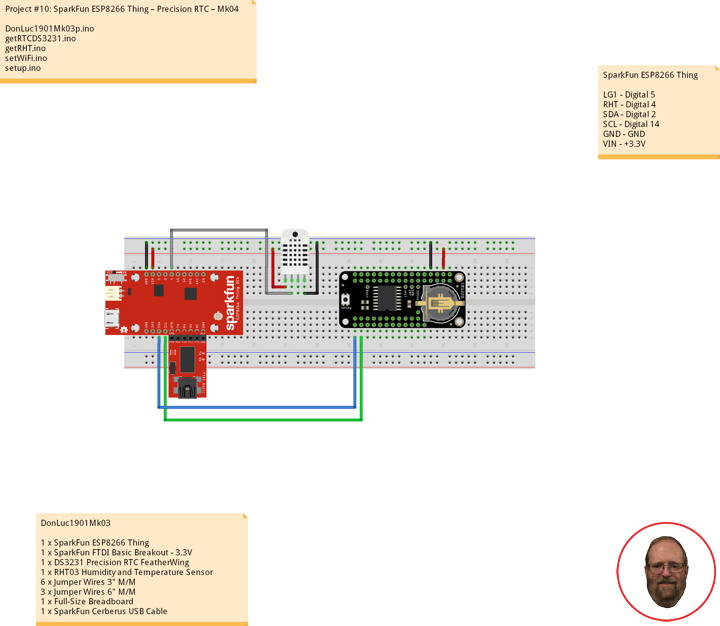
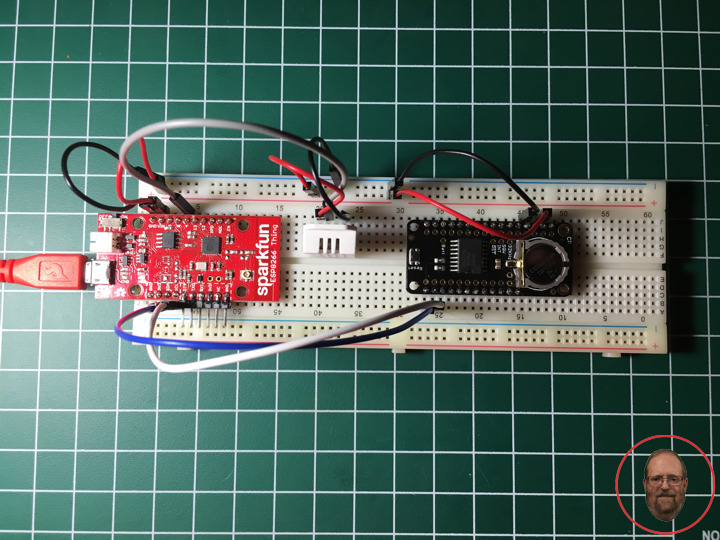
1 x SparkFun ESP8266 Thing
1 x SparkFun FTDI Basic Breakout – 3.3V
1 x DS3231 Precision RTC FeatherWing
1 x RHT03 Humidity and Temperature Sensor
6 x Jumper Wires 3″ M/M
3 x Jumper Wires 6″ M/M
1 x Full-Size Breadboard
1 x SparkFun Cerberus USB Cable

SparkFun ESP8266 Thing

LG1 – Digital 5
RHT – Digital 4
SDA – Digital 2
SCL – Digital 14
GND – GND
VIN – +3.3V

DonLuc1901Mk03p.ino

// ***** Don Luc Electronics *****
// Software Version Information
// Project #10: SparkFun ESP8266 Thing – DS3231 Precision RTC  - Mk04
// 01-03
// DonLuc1901Mk03p.ino 01-03
// SparkFun ESP8266 Thing
// DS3231 Precision RTC 
// RHT03 Humidity and Temperature Sensor

// Include Library Code
// WiFi
#include <ESP8266WiFi.h>
// RHT Humidity and Temperature Sensor
#include <SparkFun_RHT03.h>
// DS3231 Precision RTC 
#include <RTClib.h>
#include <Wire.h>

// WiFi Definitions 
const char WiFiAPPSK[] = "donlucmk01";

// Pin Definitions 
const int LED_PIN = 5;                  // Thing's onboard, green LED
const int ANALOG_PIN = A0;              // The only analog pin on the Thing
const int DIGITAL_PIN = 12;             // Digital pin to be read

// WiFi
WiFiServer server(80);

// RHT Humidity and Temperature Sensor
const int RHT03_DATA_PIN = 4;           // RHT03 data pin Digital 4
RHT03 rht;                              // This creates a RTH03 object, which we'll use to interact with the sensor
float latestHumidity;
float latestTempC;
float latestTempF;

// DS3231 Precision RTC 
RTC_DS3231 RTC;
String sDate;
String sTime;
  
void loop() 
{

  // RHT03 Humidity and Temperature Sensor
  isRHT03();

  // DS3231 Precision RTC 
  timeRTC();
  
  // Check if a client has connected
  WiFiClient client = server.available();
  if (!client) {
    return;
  }

  // Read the first line of the request
  String req = client.readStringUntil('\r');
  Serial.println(req);
  client.flush();

  // Match the request
  int val = -1; // We'll use 'val' to keep track of both the request type (read/set) and value if set.
  if (req.indexOf("/led/0") != -1)
    val = 0; // Will write LED low
  else if (req.indexOf("/led/1") != -1)
    val = 1; // Will write LED high
  else if (req.indexOf("/read") != -1)
    val = -2; // Will print pin reads
  // Otherwise request will be invalid. We'll say as much in HTML
  // Set GPIO5 according to the request
  if (val >= 0)
    digitalWrite(LED_PIN, val);

  client.flush();

  // Prepare the response. Start with the common header:
  String s = "HTTP/1.1 200 OK\r\n";
  s += "Content-Type: text/html\r\n\r\n";
  s += "<!DOCTYPE HTML>\r\n<html>\r\n";
  // If we're setting the LED, print out a message saying we did
  if (val >= 0)
  {
    s += "LED is now ";
    s += (val)?"on":"off";
  }
  else if (val == -2)
  { // If we're reading pins, print out those values:
    s += "Date = ";
    s += sDate;
    s += "<br>";
    s += "Time = ";
    s += sTime;
    s += "<br>";
    s += "Analog Pin = ";
    s += String(analogRead(ANALOG_PIN));
    s += "<br>";                                       // Go to the next line.
    s += "Digital Pin 12 = ";
    s += String(digitalRead(DIGITAL_PIN));
    s += "<br>";                                       // Go to the next line.
    s += "Humidity and Temperature";
    s += "<br>";                                       // Go to the next line.    
    s += "Humidity : ";
    s += String(latestHumidity);                       // Humidity
    s += "%";
    s += "<br>"; // Go to the next line.
    s += "Celsius: ";
    s += String(latestTempC);                          //  Temperature *C
    s += "*C";
    s += "<br>"; // Go to the next line.
    s += "Fahrenheit: ";
    s += String(latestTempF);                          // Temperature *F 
    s += "*F";        
  }
  else
  {
    s += "Invalid Request.<br> Try /led/1, /led/0, or /read.";
  }
  s += "</html>\n";

  // Send the response to the client
  client.print(s);
  delay(1);
  Serial.println("Client disonnected");

  // The client will actually be disconnected when the function returns and 'client' object is detroyed
  
}

getRHT.ino

// RHT03 Humidity and Temperature Sensor
void isRHT03(){

  // Call rht.update() to get new humidity and temperature values from the sensor.
  int updateRet = rht.update();

  // The humidity(), tempC(), and tempF() functions can be called -- after 
  // a successful update() -- to get the last humidity and temperature value 
  latestHumidity = rht.humidity();
  latestTempC = rht.tempC();
  latestTempF = rht.tempF();
  
}

getRTCDS3231.ino

// DS3231 Precision RTC 
void setupRTC() {

  // DS3231 Precision RTC   
  RTC.begin();
  if (! RTC.begin()) {
    while (1);
  }
  
  DateTime now = RTC.now();

  if (RTC.lostPower()) {
    // Following line sets the RTC to the date & time this sketch was compiled
    RTC.adjust(DateTime(F(__DATE__), F(__TIME__)));
  }
  
}
// timeRTC
void timeRTC() {

    // DS3231 Precision RTC 
    sDate = "";
    sTime = "";
    
    DateTime now = RTC.now();

    // sData
    sDate += String(now.year(), DEC);
    sDate += "/";
    sDate += String(now.month(), DEC);
    sDate += "/";
    sDate += String(now.day(), DEC);
    
    // sTime
    sTime += String(now.hour(), DEC);
    sTime += ":";
    sTime += String(now.minute(), DEC);
    sTime += ":";
    sTime += String(now.second(), DEC);

}

setWiFi.ino

// WiFi
void setupWiFi()
{
  
  // WiFi mode WIFI_AP
  WiFi.mode(WIFI_AP);

  // Append the last two bytes of the MAC (HEX'd) to "Thing-":
  uint8_t mac[WL_MAC_ADDR_LENGTH];
  WiFi.softAPmacAddress(mac);
  String macID = String(mac[WL_MAC_ADDR_LENGTH - 2], HEX) +
                 String(mac[WL_MAC_ADDR_LENGTH - 1], HEX);
  macID.toUpperCase();
  String AP_NameString = "ESP8266 Thing " + macID;

  char AP_NameChar[AP_NameString.length() + 1];
  memset(AP_NameChar, 0, AP_NameString.length() + 1);

  for (int i=0; i<AP_NameString.length(); i++)
    AP_NameChar[i] = AP_NameString.charAt(i);

  WiFi.softAP(AP_NameChar, WiFiAPPSK);
  
}
// init Hardware
void initHardware()
{

  // Serial
  Serial.begin(115200);
  // LED Green
  pinMode(DIGITAL_PIN, INPUT_PULLUP);
  pinMode(LED_PIN, OUTPUT);
  digitalWrite(LED_PIN, LOW);
  // RHT03 Humidity and Temperature Sensor
  // Call rht.begin() to initialize the sensor and our data pin
  rht.begin(RHT03_DATA_PIN);
  // DS3231 Precision RTC 
  setupRTC();
  
}

setup.ino

// Setup
void setup() 
{

  // Hardware
  initHardware();
  // WiFi
  setupWiFi();
  server.begin();
  
}

Don Luc

Project #10: ESP8266 Thing – Web Server – Mk03

AP Web Server

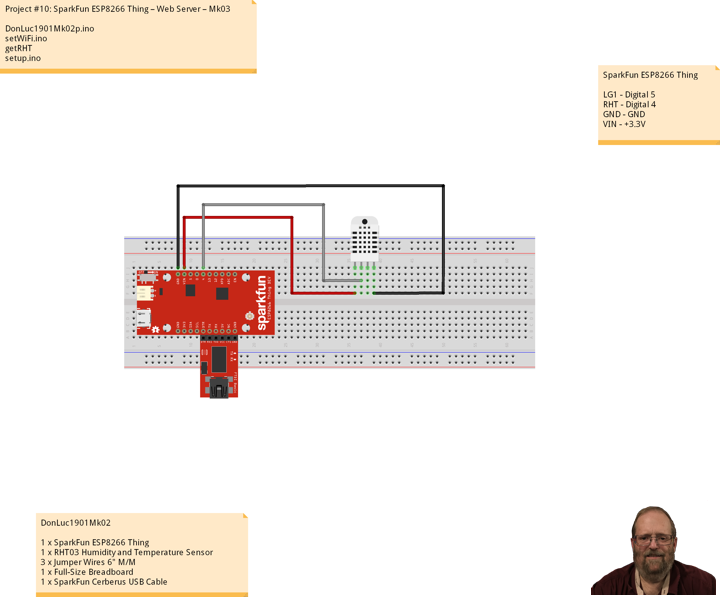
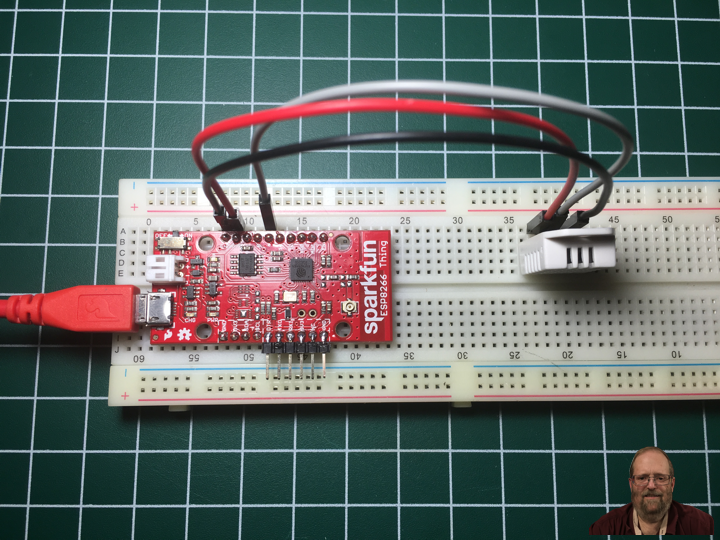
Not only can the ESP8266 connect to a WiFi network and interact with the Internet, but it can also set up a network of its own, allowing other devices to connect directly to it. This example demonstrates how to turn the ESP8266 into an access point (AP), and serve up web pages to any connected client.

After uploading this sketch, find another device that you can connect to a WiFi network – phone, laptop, etc. Look for a network called “Thing-XXXX”, where XXXX is the last 2 bytes of the Thing’s MAC address.

WiFi => Yes

ESP8266 Thing XXXX

He sketch sets the network’s password to “donlucmk01”.

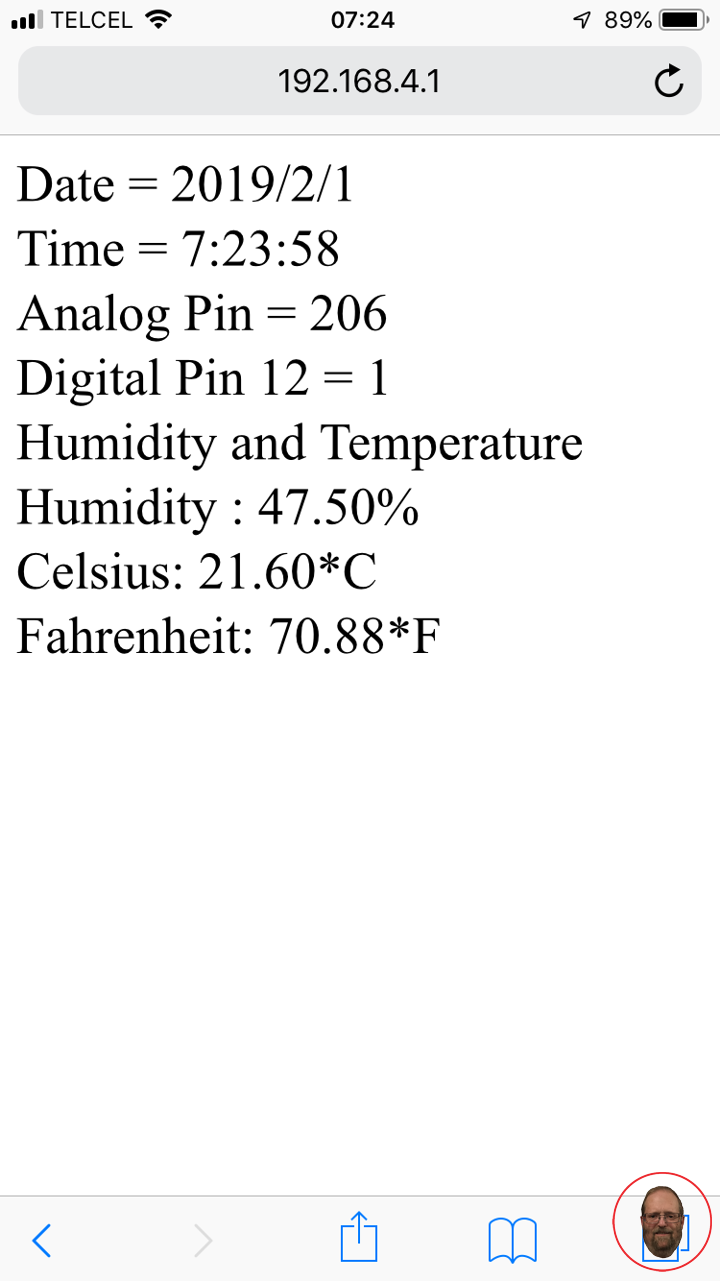
After connecting to your Thing’s AP network, load up a browser and point it to 192.168.4.1/read. The Thing should serve up a web page showing you its ADC and digital pin 12 readings:

Analog Pin = XXX
Digital Pin: XXX
Humidity and Temperature
Humidity: XX.XX%
Celsius: XX.XX*C
Fahrenheit: XX.XX*F

LED Green

After that, give 192.168.4.1/led/0 (No) and 192.168.4.1/led/1 (Yes) a try, and keep an eye on the Thing’s green LED while you do.

RHT03 Humidity and Temperature Sensor

The RHT03 is a low cost humidity and temperature sensor with a single wire digital interface. The sensor is calibrated and doesn’t require extra components so you can get right to measuring relative humidity and temperature.

DonLuc1901Mk02

1 x SparkFun ESP8266 Thing
1 x SparkFun FTDI Basic Breakout – 3.3V
1 x RHT03 Humidity and Temperature Sensor
3 x Jumper Wires 6″ M/M
1 x Full-Size Breadboard
1 x SparkFun Cerberus USB Cable

SparkFun ESP8266 Thing

LG1 – Digital 5
RHT – Digital 4
GND – GND
VIN – +3.3V

DonLuc1901Mk02p.ino

// ***** Don Luc Electronics *****
// Software Version Information
// Project #10: SparkFun ESP8266 Thing – AP Web Server - Mk02
// 01-02
// DonLuc1901Mk01p.ino 01-02
// SparkFun ESP8266 Thing
// AP Web Server
// RHT03 Humidity and Temperature Sensor

// Include Library Code
#include <ESP8266WiFi.h>
#include <SparkFun_RHT03.h>

// WiFi Definitions 
const char WiFiAPPSK[] = "donlucmk01";

// Pin Definitions 
const int LED_PIN = 5;                  // Thing's onboard, green LED
const int ANALOG_PIN = A0;              // The only analog pin on the Thing
const int DIGITAL_PIN = 12;             // Digital pin to be read

// WiFi
WiFiServer server(80);

// RHT Humidity and Temperature Sensor
const int RHT03_DATA_PIN = 4;           // RHT03 data pin Digital 4
RHT03 rht;                              // This creates a RTH03 object, which we'll use to interact with the sensor
float latestHumidity;
float latestTempC;
float latestTempF;
  
void loop() 
{

  // RHT03 Humidity and Temperature Sensor
  isRHT03();

  // Check if a client has connected
  WiFiClient client = server.available();
  if (!client) {
    return;
  }

  // Read the first line of the request
  String req = client.readStringUntil('\r');
  Serial.println(req);
  client.flush();

  // Match the request
  int val = -1; // We'll use 'val' to keep track of both the request type (read/set) and value if set.
  if (req.indexOf("/led/0") != -1)
    val = 0; // Will write LED low
  else if (req.indexOf("/led/1") != -1)
    val = 1; // Will write LED high
  else if (req.indexOf("/read") != -1)
    val = -2; // Will print pin reads
  // Otherwise request will be invalid. We'll say as much in HTML
  // Set GPIO5 according to the request
  if (val >= 0)
    digitalWrite(LED_PIN, val);

  client.flush();

  // Prepare the response. Start with the common header:
  String s = "HTTP/1.1 200 OK\r\n";
  s += "Content-Type: text/html\r\n\r\n";
  s += "<!DOCTYPE HTML>\r\n<html>\r\n";
  // If we're setting the LED, print out a message saying we did
  if (val >= 0)
  {
    s += "LED is now ";
    s += (val)?"on":"off";
  }
  else if (val == -2)
  { // If we're reading pins, print out those values:
    s += "Analog Pin = ";
    s += String(analogRead(ANALOG_PIN));
    s += "<br>";                                       // Go to the next line.
    s += "Digital Pin 12 = ";
    s += String(digitalRead(DIGITAL_PIN));
    s += "<br>";                                       // Go to the next line.
    s += "Humidity and Temperature";
    s += "<br>";                                       // Go to the next line.    
    s += "Humidity : ";
    s += String(latestHumidity);                       // Humidity
    s += "%";
    s += "<br>"; // Go to the next line.
    s += "Celsius: ";
    s += String(latestTempC);                          //  Temperature *C
    s += "*C";
    s += "<br>"; // Go to the next line.
    s += "Fahrenheit: ";
    s += String(latestTempF);                          // Temperature *F 
    s += "*F";        
  }
  else
  {
    s += "Invalid Request.<br> Try /led/1, /led/0, or /read.";
  }
  s += "</html>\n";

  // Send the response to the client
  client.print(s);
  delay(1);
  Serial.println("Client disonnected");

  // The client will actually be disconnected when the function returns and 'client' object is detroyed
  
}

getRHT.ino

// RHT03 Humidity and Temperature Sensor
void isRHT03(){

  // Call rht.update() to get new humidity and temperature values from the sensor.
  int updateRet = rht.update();

  // The humidity(), tempC(), and tempF() functions can be called -- after 
  // a successful update() -- to get the last humidity and temperature value 
  latestHumidity = rht.humidity();
  latestTempC = rht.tempC();
  latestTempF = rht.tempF();
  
}

setWiFi.ino

// WiFi
void setupWiFi()
{
  
  // WiFi mode WIFI_AP
  WiFi.mode(WIFI_AP);

  // Append the last two bytes of the MAC (HEX'd) to "Thing-":
  uint8_t mac[WL_MAC_ADDR_LENGTH];
  WiFi.softAPmacAddress(mac);
  String macID = String(mac[WL_MAC_ADDR_LENGTH - 2], HEX) +
                 String(mac[WL_MAC_ADDR_LENGTH - 1], HEX);
  macID.toUpperCase();
  String AP_NameString = "ESP8266 Thing " + macID;

  char AP_NameChar[AP_NameString.length() + 1];
  memset(AP_NameChar, 0, AP_NameString.length() + 1);

  for (int i=0; i<AP_NameString.length(); i++)
    AP_NameChar[i] = AP_NameString.charAt(i);

  WiFi.softAP(AP_NameChar, WiFiAPPSK);
  
}
// init Hardware
void initHardware()
{

  // Serial
  Serial.begin(115200);
  // LED Green
  pinMode(DIGITAL_PIN, INPUT_PULLUP);
  pinMode(LED_PIN, OUTPUT);
  digitalWrite(LED_PIN, LOW);
  // RHT03 Humidity and Temperature Sensor
  // Call rht.begin() to initialize the sensor and our data pin
  rht.begin(RHT03_DATA_PIN);
  
}

setup.ino

// Setup
void setup() 
{

  // Hardware
  initHardware();
  // WiFi
  setupWiFi();
  server.begin();
  
}

Don Luc

Project #10: ESP8266 Thing – Blink – Mk02

Soldering

Plated through-hole soldering (PTH), flux-core solder alloys commonly used for electrical soldering are 60/40 Sn-Pb used principally in electrical/electronic work and TENMA soldering station temperature controlled digital.

Hardware Assembly

We’re getting ahead of ourselves. To connect the FTDI programmer to your Thing you’ll need to solder something to the Thing. What, exactly, you solder to the board depends both on how you’ll use it in your project, and how you’ll interface it with the programmer. When it comes to selecting a header (or wire) to solder, there are a variety of options. We’ve tried a lot of them with the Thing:

Or you can mix and match headers to best fit your needs. Right-angle male headers may help to interface between the FTDI and the Thing. Straight male headers are a good choice for low-profile connections. Straight female headers may help with connecting to I2C sensors. And, of course, wire can be soldered to any of the pins that have a long way to connect to something.

10 pin – Break Away Headers – Straight
4 pin – Break Away Headers – Straight
6 pin – Break Away Male Headers – Right Angle

Once you’ve soldered up at least the programming port, you’re ready to load some code onto the Thing.

Programming the Thing

The ESP8266 has a built-in serial bootloader, which allows for easy programming and re-programming. You don’t need a specialized, expensive programmer – just a simple, USB-to-Serial converter. The FTDI Basic’s 6-pin header matches up exactly to the Thing’s 6-pin serial port header. To set up for programming, simply connect the FTDI directly to this port – take care to match up the DTR and GND pins.

Blink

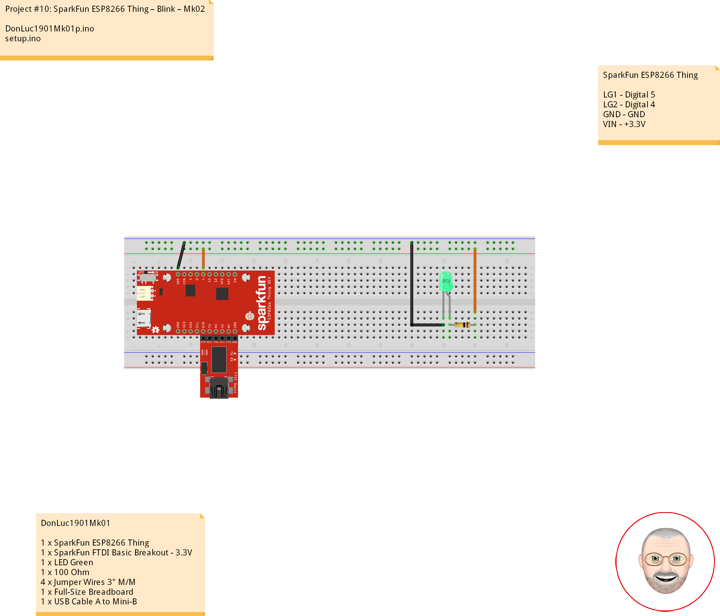
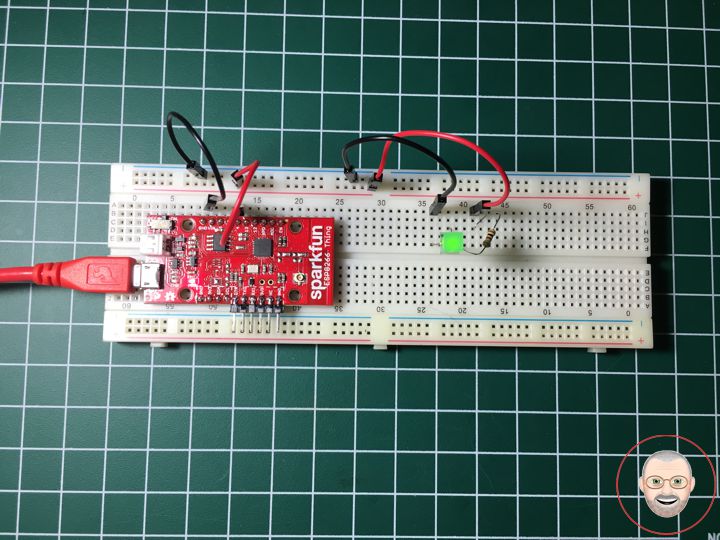
Let’s blink some LEDs and IoT (Internet our Thing). To verify that everything works Blink: toggle pin 5, which is attached to the onboard LED Green, toggle pin 4 which is LED Green.

DonLuc1901Mk01

1 x SparkFun ESP8266 Thing
1 x SparkFun FTDI Basic Breakout – 3.3V
1 x LED Green
1 x 100 Ohm
4 x Jumper Wires 3″ M/M
1 x Full-Size Breadboard
1 x USB Cable A to Mini-B

SparkFun ESP8266 Thing

LG1 – Digital 5
LG2 – Digital 4
GND – GND
VIN – +3.3V

DonLuc1901Mk01p.ino

// ***** Don Luc Electronics *****
// Software Version Information
// Project #10: SparkFun ESP8266 Thing – Blink - Mk02
// 01-01
// DonLuc1901Mk01p.ino 01-01
// SparkFun ESP8266 Thing
// Blink

// Include Library Code

#define ESP8266_LED 5      // LED Green
int iLEDGreen = 4;         // LED Green

void loop() 
{

  // ESP8266_LED, iLEDGreen
  digitalWrite(ESP8266_LED, LOW);
  digitalWrite(iLEDGreen, LOW);
  delay(2000);
  digitalWrite(ESP8266_LED, HIGH);
  delay(2000);
  digitalWrite(ESP8266_LED, LOW);
  delay(2000);
  digitalWrite(iLEDGreen, HIGH);
  delay(2000);
  
}


setup.ino

// Setup
void setup() 
{

  // LED
  pinMode(ESP8266_LED, OUTPUT);                 // ESP8266_LED Green
  pinMode(iLEDGreen, OUTPUT);                   // LED Green
      
}

Don Luc

Project #10: SparkFun ESP8266 Thing – Mk01

Description

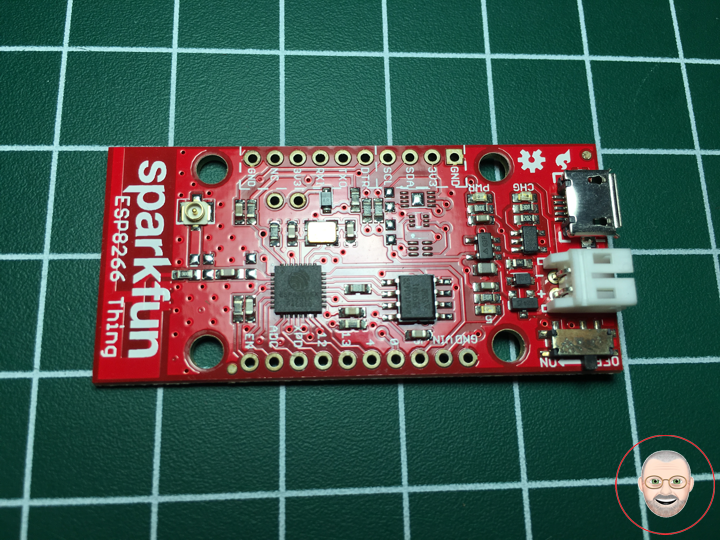
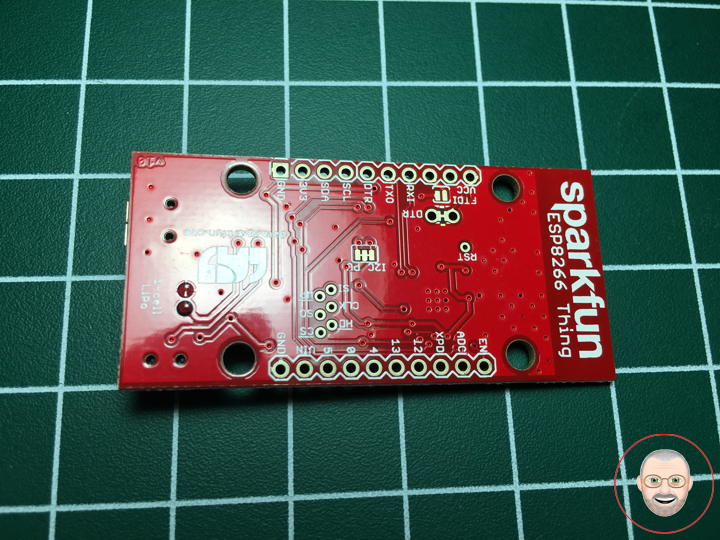
The SparkFun ESP8266 Thing is a breakout and development board for the ESP8266 WiFi SoC – a leading platform for Internet of Things (IoT) or WiFi-related projects. The Thing is low-cost and easy to use, and Arduino IDE integration can be achieved in just a few steps. We’ve made the ESP8266 easy to use by breaking out all of the module’s pins, adding a LiPo charger, power supply, and all of the other supporting circuitry it requires.

Why the name? We lovingly call it the “Thing” due to it being the perfect foundation for your Internet of Things project. The Thing does everything from turning on an LED to posting data with datastream, and can be programmed just like any microcontroller. You can even program the Thing through the Arduino IDE by installing the ESP8266 Arduino addon.

The SparkFun ESP8266 Thing is a relatively simple board. The pins are broken out to two parallel, breadboard-compatible rows. USB and LiPo connectors at the top of the board provide power – controlled by the nearby ON/OFF switch. LEDs towards the inside of the board indicate power, charge, and status of the IC. The ESP8266’s maximum voltage is 3.6V, so the Thing has an onboard 3.3V regulator to deliver a safe, consistent voltage to the IC. That means the ESP8266’s I/O pins also run at 3.3V, you’ll need to level shift any 5V signals running into the IC. A 3.3V FTDI Basic is required to program the SparkFun ESP8266 Thing, but other serial converters with 3.3V I/O levels should work just fine as well. The converter does need a DTR line in addition to the RX and TX pins.

Features

  • All module pins broken out
  • On-board LiPo charger/power supply
  • 802.11 b/g/n
  • Wi-Fi Direct (P2P), soft-AP
  • Integrated TCP/IP protocol stack
  • Integrated TR switch, balun, LNA, power amplifier and matching network
  • Integrated PLLs, regulators, DCXO and power management units
  • Integrated low power 32-bit CPU could be used as application processor
  • +19.5dBm output power in 802.11b mode

Don Luc

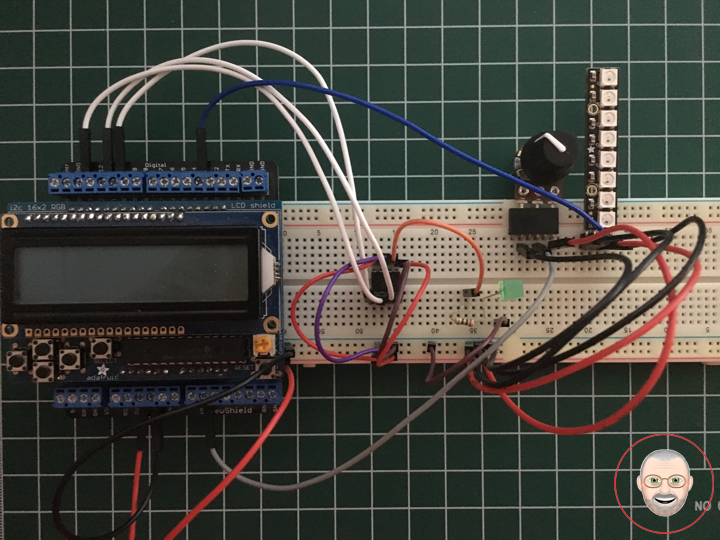
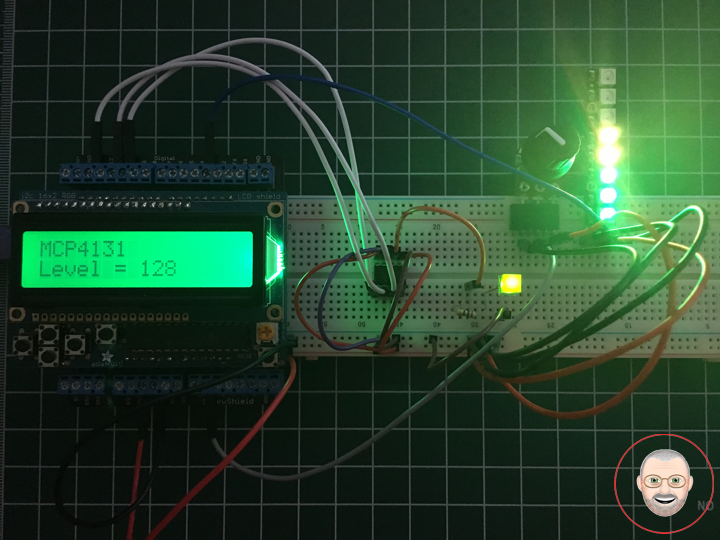
Project #7: RGB LCD Shield – MCP4131 – Mk10

Microchip Technology Inc – MCP4131

Features:

-7-bit: 128 Resistors with 129 Taps to VSS and VDD
-SPI compatible interface
-Automatic Recall of Potentiometer Wiper Settings Resistance Values: 5k Ohm, 10k Ohm, 50k Ohm, 100k Ohm
-Absolute (Rheostat): <100 ppm (typ.) -Ratiometric (Potentiometer): <10 ppm (typ.) Device Overview – Summary

The MCP41/423X devices are volatile, 7-bit (129 wiper steps) digital potentiometers with an SPI compatible interface. The MCP41/42XX family is available with end-to-end resistor values of 5K Ohm, 10K Ohm, 50k Ohm and 100K Ohm. These devices offer a variety of configurations simplifying design while minimizing cost, package size and pin count.

Additional Features

-7-bit: 128 Resistors with 129 Taps to VSS and VDD
-SPI compatible interface
-Automatic Recall of Potentiometer Wiper Settings Resistance Values: 5k Ohm, 10k Ohm, 50k Ohm, 100k Ohm
-Low Tempco: Absolute (Rheostat): <100 ppm (typ.) -Ratiometric (Potentiometer): <10 ppm (typ.) -Low Wiper Resistance: 100 Ohm (typ.) -Low-Power Operation: 1µA Max Static Current -Wide Operating Voltage: 1.8V to 5.5V -Extended Temperature Range: -40°C to +125°C MCP4131 – Digital Potentiometer – 10K

Potentiometers are incredibly useful, whether you’re controlling the volume on your stereo or the ‘mood lighting’ in your room. The problem with traditional potentiometers is the fact that your microcontroller doesn’t have an easy way to interface with them. Digital potentiometers solve that problem by allowing you to control a voltage splitter with digital signals.

Wire it up just like a potentiometer and use serial signals to ‘turn the knob’. Another handy feature of digital potentiometers is that because they aren’t controlled mechanically, they don’t have a pre-determined sweep profile. In other words, depending on the way you write your code the potentiometer can ‘sweep’ in a linear fashion, a logarithmic fashion, or according to any other profile you like. Digital potentiometers can also be used in conjunction with rotary encoders to consolidate large banks of potentiometers into one ‘smart’ rotary control.

Digital Potentiometer MCP41131 and Arduino

We know the analog potentiometer, is a three-terminal resistor with a sliding contact that forms an adjustable voltage divider. Potentiometers many application such like:

1- Volume controls on audio equipment
2- Control the amplifier gain and offset
3- Transducer displacement transducers

Many other application, but did you want to control the resistance value by Arduino instead of using analog one. Analog potentiometers have some problem with Arduino doesn’t have an easy way to interface with them. The digital potentiometer, give you an ability to adjust the resistance, allowing you to control a voltage splitter with digital signals. This IC using SPI Protocol to communicate with Arduino.

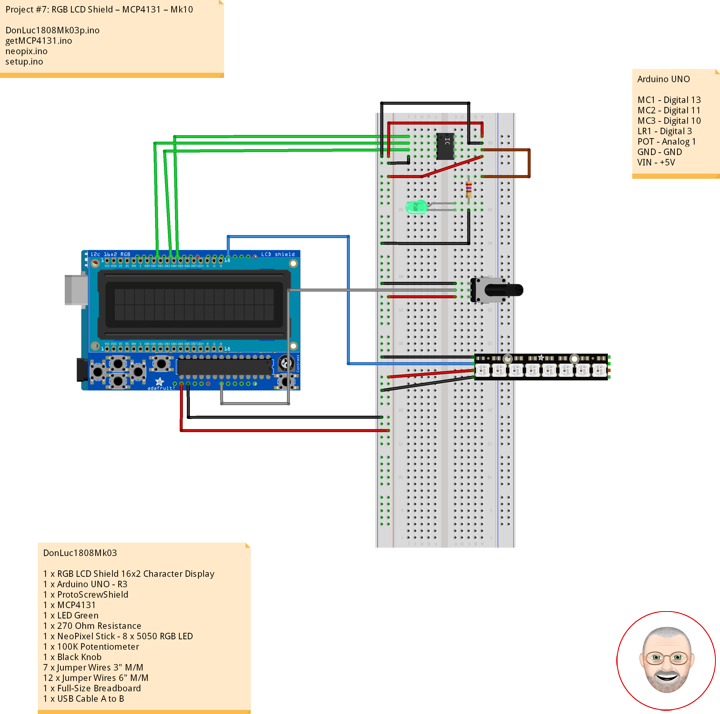
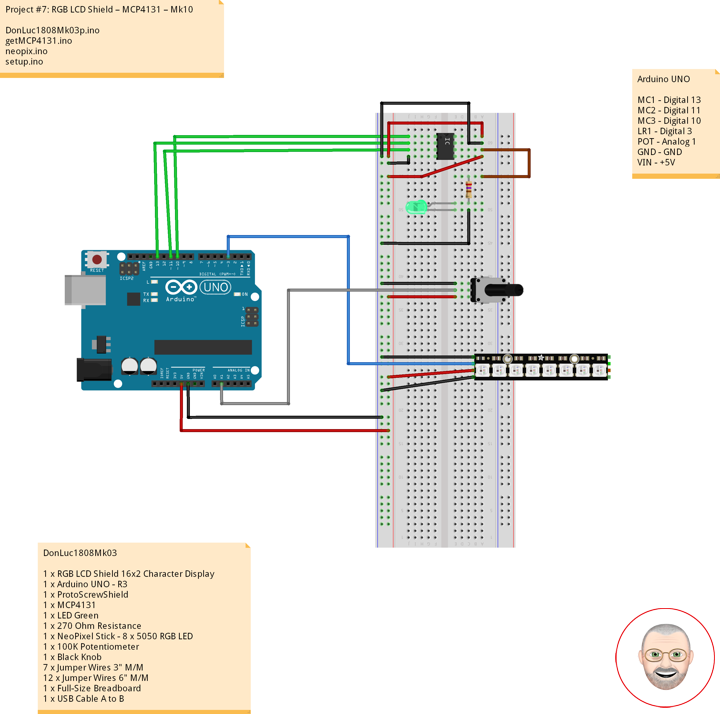
DonLuc1808Mk03

1 x RGB LCD Shield 16×2 Character Display
1 x Arduino UNO – R3
1 x ProtoScrewShield
1 x MCP4131
1 x LED Green
1 x 270 Ohm Resistance
1 x NeoPixel Stick – 8 x 5050 RGB LED
1 x 100K Potentiometer
1 x Black Knob
7 x Jumper Wires 3″ M/M
12 x Jumper Wires 6″ M/M
1 x Full-Size Breadboard
1 x USB Cable A to B

Arduino UNO

MC1 – Digital 13
MC2 – Digital 11
MC3 – Digital 10
LR1 – Digital 3
POT – Analog 1
GND – GND
VIN – +5V

DonLuc1808Mk03p.ino

// ***** Don Luc Electronics *****
// Software Version Information
// Project #7: RGB LCD Shield – MCP4131 – Mk10
// 8-03
// DonLuc1808Mk03p 8-03
// RGB LCD Shield
// MCP4131

// Include Library Code
#include <Adafruit_MCP23017.h>
#include <Adafruit_RGBLCDShield.h>
#include <Adafruit_NeoPixel.h>
#include <SPI.h>

// RGB LCD Shield
Adafruit_RGBLCDShield RGBLCDShield = Adafruit_RGBLCDShield();
#define GREEN 0x2

// NeoPixels
#define PIN 3                             // On digital pin 3
#define NUMPIXELS 8                       // NeoPixels NUMPIXELS = 8
Adafruit_NeoPixel pixels = Adafruit_NeoPixel(NUMPIXELS, PIN, NEO_GRB + NEO_KHZ800);
int red = 0;                              // Red
int green = 0;                            // Green
int blue = 0;                             // Blue
int iNeo = 0;                             // Neopix
const int iBriPin = A1;                   // Panel Mount 1K potentiometer Brightneed
int iBri = 0;                             // Neopix Brightness
int iBriMin = 1023;                       // Brightneed minimum sensor value
int iBriMax = 0;                          // Brightneed maximun sensor value
int z = 0;                                // Value

// MCP4131
int pinCS = 10;                           // MCP4131
byte address = 0x00;                      // Address
int i = 0;                                // Value

void loop() 
{

  // MCP4131
  isMCP4131();

  delay(1000);
  
  // Clear
  RGBLCDShield.clear();
  
}

getMCP4131.ino

// MCP4131
void isMCP4131()
{

  // NeoPixels
  isNUMPIXELSoff();                             // isNUMPIXELSoff
  
  // Display
  // Set the cursor to column 0, line 0  
  RGBLCDShield.setCursor(0,0);
  RGBLCDShield.print("MCP4131");                // MCP4131

  // MCP4131
  // Move the potentiometer in one direction
  for ( i = 0; i <= 128; i++) 
  {

    isNUMPIXELSoff();                           // isNUMPIXELSoff
    
    MCP4131PotWrite(i);

    isNUMPIXELS();                              // isNUMPIXELS
        
    delay(100);
    
    // Set the cursor to column 0, line 1
    RGBLCDShield.setCursor(0, 1); 
    RGBLCDShield.print("Level = ");             // MCP4131
    RGBLCDShield.print(i);                      // MCP4131 

  }
  
  delay(2000);  // wait a couple seconds
  
  // Now mover potentiometer in other directions  
  for ( i = 128; i >= 0; i--) 
  {

    isNUMPIXELSoff();                            // isNUMPIXELSoff
    
    MCP4131PotWrite(i);

    isNUMPIXELS();                               // isNUMPIXELS
        
    delay(100);
    
    RGBLCDShield.setCursor(0, 1);
    RGBLCDShield.print("                ");
    RGBLCDShield.setCursor(0, 1); 
    RGBLCDShield.print("Level =  ");             // MCP4131    
    RGBLCDShield.print(i);                       // MCP4131 

  }
  
  delay(2000);

}
// MCP4131PotWrite
int MCP4131PotWrite(int value)
{
  
  digitalWrite(pinCS, LOW);                      // pinCS Off
  SPI.transfer(address);                         // SPI Address
  SPI.transfer(value);                           // SPI Value
  digitalWrite(pinCS, HIGH);                     // pinCS On
  
}

neopix.ino

// NeoPixels
void neopix() 
{ 
    
    // Brightness
    iBri = analogRead(iBriPin);

    // iBri apply the calibration to the sensor reading
    iBri = map(iBri, iBriMin, iBriMax, 0, 255);

    // iBri in case the sensor value is outside the range seen during calibration
    iBri = constrain(iBri, 0, 255);
    
    pixels.setBrightness( iBri );
    // Pixels.Color takes RGB values, from 0,0,0 up to 255,255,255
    pixels.setPixelColor( iNeo, pixels.Color(red,green,blue) ); 
    // This sends the updated pixel color to the hardware
    pixels.show(); 
    // Delay for a period of time (in milliseconds)
    delay(50);     
  
}
// isNUMPIXELS
void isNUMPIXELS()
{

  // Neopix Value
  z = ( i / 16 );                             // Value
  
  // Neopix Value
  switch ( z ) {  
    case 0:
      // NeoPixels
      // Green
      for(int y=0; y<=0; y++)
      { 
         red = 0;                             // Red
         green = 255;                         // Green
         blue = 0;                            // Blue
         iNeo = y;                            // Neopix      
         neopix(); 
      }
      break;  
    case 1:
      // Green
      // NeoPixels
      for(int y=0; y<=1; y++){ 
         red = 0;                             // Red
         green = 255;                         // Green
         blue = 0;                            // Blue
         iNeo = y;                            // Neopix      
         neopix(); 
      }
      break;
    case 2:
      // NeoPixels
      // Green
      for(int y=0; y<=2; y++){ 
         red = 0;                             // Red
         green = 255;                         // Green
         blue = 0;                            // Blue
         iNeo = y;                            // Neopix      
         neopix(); 
      }
      break;
    case 3:
      // NeoPixels
      // Green
      for(int y=0; y<=2; y++){ 
         red = 0;                             // Red
         green = 255;                         // Green
         blue = 0;                            // Blue
         iNeo = y;                            // Neopix      
         neopix(); 
      }
      // Yellow
      for(int y=3; y<=3; y++){ 
         red = 255;                           // Red
         green = 255;                         // Green
         blue = 0;                            // Blue
         iNeo = y;                            // Neopix      
         neopix(); 
      }
      break;
    case 4:
      // NeoPixels
      // Green
      for(int y=0; y<=2; y++){ 
         red = 0;                             // Red
         green = 255;                         // Green
         blue = 0;                            // Blue
         iNeo = y;                            // Neopix      
         neopix(); 
      }
      // Yellow
      for(int y=3; y<=4; y++){ 
         red = 255;                           // Red
         green = 255;                         // Green
         blue = 0;                            // Blue
         iNeo = y;                            // Neopix      
         neopix(); 
      }
      break;
    case 5:
      // NeoPixels
      // Green
      for(int y=0; y<=2; y++){ 
         red = 0;                             // Red
         green = 255;                         // Green
         blue = 0;                            // Blue
         iNeo = y;                            // Neopix      
         neopix(); 
      }
      // Yellow
      for(int y=3; y<=5; y++){ 
         red = 255;                           // Red
         green = 255;                         // Green
         blue = 0;                            // Blue
         iNeo = y;                            // Neopix      
         neopix(); 
      }
      break;
    case 6:
      // NeoPixels
      // Green
      for(int y=0; y<=2; y++){ 
         red = 0;                             // Red
         green = 255;                         // Green
         blue = 0;                            // Blue
         iNeo = y;                            // Neopix      
         neopix(); 
      }
      // Yellow
      for(int y=3; y<=5; y++){ 
         red = 255;                           // Red
         green = 255;                         // Green
         blue = 0;                            // Blue
         iNeo = y;                            // Neopix      
         neopix(); 
      }
      // Red
      for(int y=6; y<=6; y++){ 
         red = 255;                           // Red
         green = 0;                           // Green
         blue = 0;                            // Blue
         iNeo = y;                            // Neopix      
         neopix(); 
      }      
      break;
    case 7:
      // NeoPixels
      // Green
      for(int y=0; y<=2; y++){ 
         red = 0;                             // Red
         green = 255;                         // Green
         blue = 0;                            // Blue
         iNeo = y;                            // Neopix      
         neopix(); 
      }
      // Yellow
      for(int y=3; y<=5; y++){ 
         red = 255;                           // Red
         green = 255;                         // Green
         blue = 0;                            // Blue
         iNeo = y;                            // Neopix      
         neopix(); 
      }
      // Red
      for(int y=6; y<=7; y++){ 
         red = 255;                           // Red
         green = 0;                           // Green
         blue = 0;                            // Blue
         iNeo = y;                            // Neopix      
         neopix(); 
      }      
      break;
    case 8:
      // NeoPixels
      // Green
      for(int y=0; y<=2; y++){ 
         red = 0;                             // Red
         green = 255;                         // Green
         blue = 0;                            // Blue
         iNeo = y;                            // Neopix      
         neopix(); 
      }
      // Yellow
      for(int y=3; y<=5; y++){ 
         red = 255;                           // Red
         green = 255;                         // Green
         blue = 0;                            // Blue
         iNeo = y;                            // Neopix      
         neopix(); 
      }
      // Red
      for(int y=6; y<=7; y++){ 
         red = 255;                           // Red
         green = 0;                           // Green
         blue = 0;                            // Blue
         iNeo = y;                            // Neopix      
         neopix(); 
      }      
      break; 
  }
      
}
// isNUMPIXELSoff
void isNUMPIXELSoff()
{

   // Black
   // NeoPixels
   for(int y=0; y < NUMPIXELS; y++)
   { 
      red = 0;                                 // Red
      green = 0;                               // Green
      blue = 0;                                // Blue
      iNeo = y;                                // Neopix  
      neopix();    
   }
   
}

setup.ino

// Setup
void setup() 
{

  // set up the LCD's number of columns and rows: 
  RGBLCDShield.begin(16, 2);
  RGBLCDShield.setBacklight(GREEN);
  
  // Display
  // Set the cursor to column 0, line 0  
  RGBLCDShield.setCursor(0,0);  
  RGBLCDShield.print("Don Luc");           // Don luc
  // Set the cursor to column 0, line 1
  RGBLCDShield.setCursor(0, 1);
  RGBLCDShield.print("MCP4131");           // MCP4131
  delay(5000);

  // Clear
  RGBLCDShield.clear();

  // NeoPixels
  pixels.begin();                          // This initializes the NeoPixel library
  // NeoPixels
  isNUMPIXELSoff();                        // isNUMPIXELSoff
  
  // MCP4131
  pinMode(pinCS, OUTPUT);                  // MCP4131 OUTPUT
  
  SPI.begin();                             // SPI
    
}

Don Luc

Project #7: RGB LCD Shield – Rotary Switch – Mk08

Rotary Switch – 10 Position

This is a single pole, 10 position rotary switch able to select up to 10 different states in a durable package. Unlike our other rotary switch, this model is much more robust and capable of handling larger currents and voltages.

With a max voltage rating of 125VAC at 0.3A and a dielectric strength of 250VAC for 1 minute this is a serious little rotary switch capable of working with some of your bigger projects. Though this switch requires you to use 11 pins and is not breadboard friendly we do offer a breakout board (found in the Recommended Products section below) to provide easier access to its capabilities.

1 x Rotary Switch – 10 Position
1 x Hex Nut
2 x Washer

Rating: 0.3A/125VAC
Contact Resistance: 50M Ohm max
Insulation Resistance: 100M Ohm @ 500VDC min
Dielectric Strength: 250VAC for 1 minute
Rotation torque: 1.0+0.5KG/cm
Shaft: 3/8″

Rotary Switch Breakout

This is the SparkFun Rotary Switch Breakout, a very simple board designed to easily provide you access to each pin on our 10-position rotary switches. This breakout allows you to easily add a rotary switch to your next project without having to worry about attaching its unique footprint to a custom board or solderless breadboard. All you need to do is solder the 10-position rotary switch into the breakout (using the silkscreen on the board as a guide) and each pin will become available for breadboard or hookup wire compatibility.

Each one of these boards breaks out the common ( C ), 1, 2, 3, 4, 5, 6, 7, 8, 9, and 10 positions on the board into 0.1″ spaced pins.

NeoPixel Stick – 8 x 5050 RGB LED

Make your own little LED strip arrangement with this stick of NeoPixel LEDs. We crammed 8 of the tiny 5050 (5mm x 5mm) smart RGB LEDs onto a PCB with mounting holes and a chainable design. Use only one microcontroller pin to control as many as you can chain together! Each LED is addressable as the driver chip is inside the LED. Each one has ~18mA constant current drive so the color will be very consistent even if the voltage varies, and no external choke resistors are required making the design slim. Power the whole thing with 5VDC (4-7V works) and you’re ready to rock.

DonLuc1808Mk01

1 x RGB LCD Shield 16×2 Character Display
1 x Arduino UNO – R3
1 x ProtoScrewShield
1 x Rotary Switch – 10 Position
1 x Rotary Switch Breakout
1 x Black Knob
1 x NeoPixel Stick – 8 x 5050 RGB LED
1 x 100K Potentiometer
1 x Black Knob
11 x 1K Ohm Resistance
17 x Jumper Wires 3″ M/M
6 x Jumper Wires 6″ M/M
1 x Size Breadboard
1 x USB Cable A to B

Arduino UNO

NEO – Digital 0
ROT – Analog 1
POT – Analog 0
GND – GND
VIN – +5V

DonLuc1808Mk01p.ino

// ***** Don Luc *****
// Software Version Information
// Project #7: RGB LCD Shield – Rotary Switch – Mk08
// 8-01
// DonLuc1808Mk01p 8-01
// RGB LCD Shield
// Rotary Switch

// Include Library Code
#include <Adafruit_MCP23017.h>
#include <Adafruit_RGBLCDShield.h>
#include <Adafruit_NeoPixel.h>

// RGB LCD Shield
Adafruit_RGBLCDShield RGBLCDShield = Adafruit_RGBLCDShield();
#define GREEN 0x2

// NeoPixels
#define PIN 0                             // On digital pin 3
#define NUMPIXELS 8                       // NeoPixels NUMPIXELS = 8
Adafruit_NeoPixel pixels = Adafruit_NeoPixel(NUMPIXELS, PIN, NEO_GRB + NEO_KHZ800);
int red = 0;                              // Red
int green = 0;                            // Green
int blue = 0;                             // Blue
int iNeo = 0;                             // Neopix
const int iBriPin = A0;                   // Panel Mount 1K potentiometer Brightneed
int iBri = 0;                             // Neopix Brightness
int iBriMin = 1023;                       // Brightneed minimum sensor value
int iBriMax = 0;                          // Brightneed maximun sensor value

// Rotary Switch
// Rotary Switch - 10 Position
// Number = 1 => 10
int iRotNum = A1;                         // Rotary Switch
int iVal = 0;                             // iVal - Value            
int z = 0;                                // Number

void loop() 
{

  // Rotary Switch
  isRot();

  delay(1000);
  
  // Clear
  RGBLCDShield.clear();
  
}

getRot.ino

// Rotary Switch
void isRot()
{

  // NeoPixels
  for(int y=0; y < NUMPIXELS; y++)
  { 
     // Black
     red = 0;                                 // Red
     green = 0;                               // Green
     blue = 0;                                // Blue
     iNeo = y;                                // Neopix  
     neopix();    
  }
   
  // Display
  // Set the cursor to column 0, line 0  
  RGBLCDShield.setCursor(0,0);
  RGBLCDShield.print("Rotary Switch");        // Rotary Switch

  // Rotary Switch
  z = analogRead( iRotNum );                  // Rotary Switch
  iVal = ( z / 100 );                         // Rotary Value
   
  // Set the cursor to column 0, line 1
  RGBLCDShield.setCursor(0, 1); 
  RGBLCDShield.print("iVal = ");              // Rotary Value
  RGBLCDShield.print( iVal + 1 );

  // Range Value
  switch ( iVal ) {
    case  0:
      // Red
      // NeoPixels
      for(int y=0; y<NUMPIXELS; y++){ 
         red = 255;                           // Red
         green = 0;                           // Green
         blue = 0;                            // Blue
         iNeo = y;                            // Neopix      
         neopix(); 
      }        
      break;
    case 1:
      // Green
      // NeoPixels
      for(int y=0; y<NUMPIXELS; y++){ 
         red = 0;                             // Red
         green = 255;                         // Green
         blue = 0;                            // Blue
         iNeo = y;                            // Neopix      
         neopix(); 
      }
      break;
    case 2:
      // Blue
      // NeoPixels
      for(int y=0; y<NUMPIXELS; y++){ 
         red = 0;                             // Red
         green = 0;                           // Green
         blue = 255;                          // Blue
         iNeo = y;                            // Neopix      
         neopix(); 
      }
      break;
    case 3:
      // White
      // NeoPixels
      for(int y=0; y<NUMPIXELS; y++){ 
         red = 255;                           // Red
         green = 255;                         // Green
         blue = 255;                          // Blue
         iNeo = y;                            // Neopix      
         neopix(); 
      }
      break;  
    case 4:
      // NeoPixels
      // Red
      for(int y=0; y<NUMPIXELS; y++){ 
         red = 255;                           // Red
         green = 0;                           // Green
         blue = 0;                            // Blue
         iNeo = y;                            // Neopix      
         neopix(); 
      }
      delay( 2000 );
      // Green
      for(int y=0; y<NUMPIXELS; y++){ 
         red = 0;                             // Red
         green = 255;                         // Green
         blue = 0;                            // Blue
         iNeo = y;                            // Neopix      
         neopix(); 
      }
      delay( 2000 );
      // Blue
      for(int y=0; y<NUMPIXELS; y++){ 
         red = 0;                             // Red
         green = 0;                           // Green
         blue = 255;                          // Blue
         iNeo = y;                            // Neopix      
         neopix(); 
      }          
      break;
    case 5:
      // NeoPixels
      // Yellow
      for(int y=0; y<NUMPIXELS; y++){ 
         red = 255;                           // Red
         green = 255;                         // Green
         blue = 0;                            // Blue
         iNeo = y;                            // Neopix      
         neopix(); 
      } 
      break;
    case 6:
      // NeoPixels
      // Orange
      for(int y=0; y<NUMPIXELS; y++){ 
         red = 255;                           // Red
         green = 102;                         // Green
         blue = 0;                            // Blue
         iNeo = y;                            // Neopix      
         neopix(); 
      }
      break;       
    case 7:
      // NeoPixels
      // Violet
      for(int y=0; y<NUMPIXELS; y++){ 
         red = 204;                           // Red
         green = 102;                         // Green
         blue = 204;                          // Blue
         iNeo = y;                            // Neopix      
         neopix(); 
      }
      break; 
    case 8:
      // NeoPixels
      // Red
      red = 255;                           // Red
      green = 0;                           // Green
      blue = 0;                            // Blue
      iNeo = 0;                            // Neopix      
      neopix();
      delay( 1000 );
      // Green
      red = 0;                             // Red
      green = 255;                         // Green
      blue = 0;                            // Blue
      iNeo = 1;                            // Neopix      
      neopix();
      delay( 1000 ); 
      // Blue
      red = 0;                             // Red
      green = 0;                           // Green
      blue = 255;                          // Blue
      iNeo = 2;                            // Neopix      
      neopix();
      delay( 1000 );
      // White
      red = 255;                           // Red
      green = 255;                         // Green
      blue = 255;                          // Blue
      iNeo = 3;                            // Neopix      
      neopix();
      delay( 1000 );
      // Pink
      red = 255;                           // Red
      green = 153;                         // Green
      blue = 203;                          // Blue
      iNeo = 4;                            // Neopix      
      neopix();
      delay( 1000 );
      // Orange
      red = 255;                           // Red
      green = 102;                         // Green
      blue = 0;                            // Blue
      iNeo = 5;                            // Neopix      
      neopix();
      delay( 1000 ); 
      // Violet
      red = 204;                           // Red
      green = 102;                         // Green
      blue = 204;                          // Blue
      iNeo = 6;                            // Neopix      
      neopix();
      delay( 1000 ); 
      // Yellow
      red = 255;                           // Red
      green = 255;                         // Green
      blue = 0;                            // Blue
      iNeo = 7;                            // Neopix      
      neopix();
      delay( 1000 );         
      break; 
    case 9:
      // NeoPixels
      // Red
      red = 255;                           // Red
      green = 0;                           // Green
      blue = 0;                            // Blue
      iNeo = 7;                            // Neopix      
      neopix();
      delay( 1000 );
      // Green
      red = 0;                             // Red
      green = 255;                         // Green
      blue = 0;                            // Blue
      iNeo = 6;                            // Neopix      
      neopix();
      delay( 1000 ); 
      // Blue
      red = 0;                             // Red
      green = 0;                           // Green
      blue = 255;                          // Blue
      iNeo = 5;                            // Neopix      
      neopix();
      delay( 1000 );
      // White
      red = 255;                           // Red
      green = 255;                         // Green
      blue = 255;                          // Blue
      iNeo = 4;                            // Neopix      
      neopix();
      delay( 1000 );
      // Pink
      red = 255;                           // Red
      green = 153;                         // Green
      blue = 203;                          // Blue
      iNeo = 3;                            // Neopix      
      neopix();
      delay( 1000 );
      // Orange
      red = 255;                           // Red
      green = 102;                         // Green
      blue = 0;                            // Blue
      iNeo = 2;                            // Neopix      
      neopix();
      delay( 1000 ); 
      // Violet
      red = 204;                           // Red
      green = 102;                         // Green
      blue = 204;                          // Blue
      iNeo = 1;                            // Neopix      
      neopix();
      delay( 1000 ); 
      // Yellow
      red = 255;                           // Red
      green = 255;                         // Green
      blue = 0;                            // Blue
      iNeo = 0;                            // Neopix      
      neopix();
      delay( 1000 );
      break;
  }

}

neopix.ino

// NeoPixels
void neopix() { 
    
    // Brightness
    iBri = analogRead(iBriPin);

    // iBri apply the calibration to the sensor reading
    iBri = map(iBri, iBriMin, iBriMax, 0, 255);

    // iBri in case the sensor value is outside the range seen during calibration
    iBri = constrain(iBri, 0, 255);
    
    pixels.setBrightness( iBri );
    // Pixels.Color takes RGB values, from 0,0,0 up to 255,255,255
    pixels.setPixelColor( iNeo, pixels.Color(red,green,blue) ); 
    // This sends the updated pixel color to the hardware
    pixels.show(); 
    // Delay for a period of time (in milliseconds)
    delay(50);     
  
}

setup.ino

// Setup
void setup() 
{

  // set up the LCD's number of columns and rows: 
  RGBLCDShield.begin(16, 2);
  RGBLCDShield.setBacklight(GREEN);
  
  // Display
  // Set the cursor to column 0, line 0  
  RGBLCDShield.setCursor(0,0);  
  RGBLCDShield.print("Don Luc");           // Don luc
  // Set the cursor to column 0, line 1
  RGBLCDShield.setCursor(0, 1);
  RGBLCDShield.print("Rotary Switch");     // Rotary Switch
  delay(5000);

  // Clear
  RGBLCDShield.clear();

  // NeoPixels
  pixels.begin();          // This initializes the NeoPixel library
  // NeoPixels
  
  for(int y=0; y < NUMPIXELS; y++)
  { 
     // Black
     red = 0;                                 // Red
     green = 0;                               // Green
     blue = 0;                                // Blue
     iNeo = y;                                // Neopix  
     neopix();    
  }

}

Don Luc

Project #7: RGB LCD Shield – Line Sensor Breakout – Mk07

Line Sensor Breakout – QRE1113 (Analog)

Description

This version of the QRE1113 breakout board features an easy-to-use analog output, which will vary depending on the amount of IR light reflected back to the sensor. This tiny board is perfect for line sensing applications and can be used in both 3.3V and 5V systems.

The board’s QRE1113 IR reflectance sensor is comprised of two parts – an IR emitting LED and an IR sensitive phototransistor. When you apply power to the VCC and GND pins the IR LED inside the sensor will illuminate. A 100 Ohm resistor is on-board and placed in series with the LED to limit current. A 10k Ohm resistor pulls the output pin high, but when the light from the LED is reflected back onto the phototransistor the output will begin to go lower. The more IR light sensed by the phototransistor, the lower the output voltage of the breakout board.

These sensors are widely used in line following robots – white surfaces reflect much more light than black, so, when directed towards a white surface, the voltage output will be lower than that on a black surface.

The power input and analog output pins are brought out to a 3-pin, 0.1″ pitch header. The board also has a single mounting hole if you want to screw the board onto something.

Features

* 5VDC operating voltage
* 25mA supply current
* Optimal sensing distance: 0.125″ (3mm)
* 0.30 x 0.55 “ (7.62 x 13.97 mm)

Common Reflectance Sensor

The QRE1113 is a common reflectance sensor often used in robotic line followers. The sensor works by shining an IR LED down and seeing how much of that light bounces back using a phototransistor. Because dark colors will bounce back less of the light, the sensor can be used to tell the difference between white and black areas. So an array of these can be used to help a robot determine where a dark line is on the ground so it can follow it. But they can also be used to determine proximity under an inch.

The an analog input on your microcontroller but still need an analog reading of how much light was reflected. It does this by allowing you to charge a capacitor on the board, and then timing how long it takes to discharge. The more light that is reflected, the less time it takes to discharge the capacitor. Hooking the QRE1113 to your Arduino is very simple. It just needs power (5V), ground, and an analog pin.

DonLuc1807Mk11

1 x RGB LCD Shield 16×2 Character Display
1 x Arduino UNO – R3
1 x ProtoScrewShield
1 x Line Sensor Breakout – QRE1113 (Analog)
3 x Jumper Wires 6″ M/M
1 x Half-Size Breadboard

Arduino UNO

CRS – Analog 0
GND – GND
VIN – +5V

DonLuc1807Mk11p.ino

// ***** Don Luc *****
// Software Version Information
// Project #7: RGB LCD Shield – Line Sensor Breakout – Mk07
// 7-11
// DonLuc1807Mk10p 7-11
// RGB LCD Shield
// QRE1113 (Analog)

// include the library code:
#include <Adafruit_MCP23017.h>
#include <Adafruit_RGBLCDShield.h>

Adafruit_RGBLCDShield RGBLCDShield = Adafruit_RGBLCDShield();
#define GREEN 0x2

// Seven-Segment Display
int iQRE1113 = A0;       // iQRE1113
int iQRE1113Value = 0;   // iQRE1113Value

void loop() 
{

  // QRE1113 (Analog)
  isCRS();

  delay(2000);
  
  // Clear
  RGBLCDShield.clear();
  
}

getSeven.ino

// Line Sensor Breakout - QRE1113
void isCRS()
{

  // Display
  // Set the cursor to column 0, line 0  
  RGBLCDShield.setCursor(0,0);
  RGBLCDShield.print("QRE1113 (Analog)");       // Line Sensor Breakout - QRE1113

  iQRE1113Value = analogRead(iQRE1113);
  
  // Set the cursor to column 0, line 1
  RGBLCDShield.setCursor(0, 1); 
  RGBLCDShield.print("iQRE1113 = ");            // iQRE1113
  RGBLCDShield.print( iQRE1113Value );          // iQRE1113Value

}

setup.ino

// Setup
void setup() 
{

  // set up the LCD's number of columns and rows: 
  RGBLCDShield.begin(16, 2);
  RGBLCDShield.setBacklight(GREEN);
  
  // Display
  // Set the cursor to column 0, line 0  
  RGBLCDShield.setCursor(0,0);  
  RGBLCDShield.print("Don Luc");           // Don luc
  // Set the cursor to column 0, line 1
  RGBLCDShield.setCursor(0, 1);
  RGBLCDShield.print("QRE1113 (Analog)");  // Seven-Segment Display
  delay(5000);

  // Clear
  RGBLCDShield.clear();
 
}

Don Luc